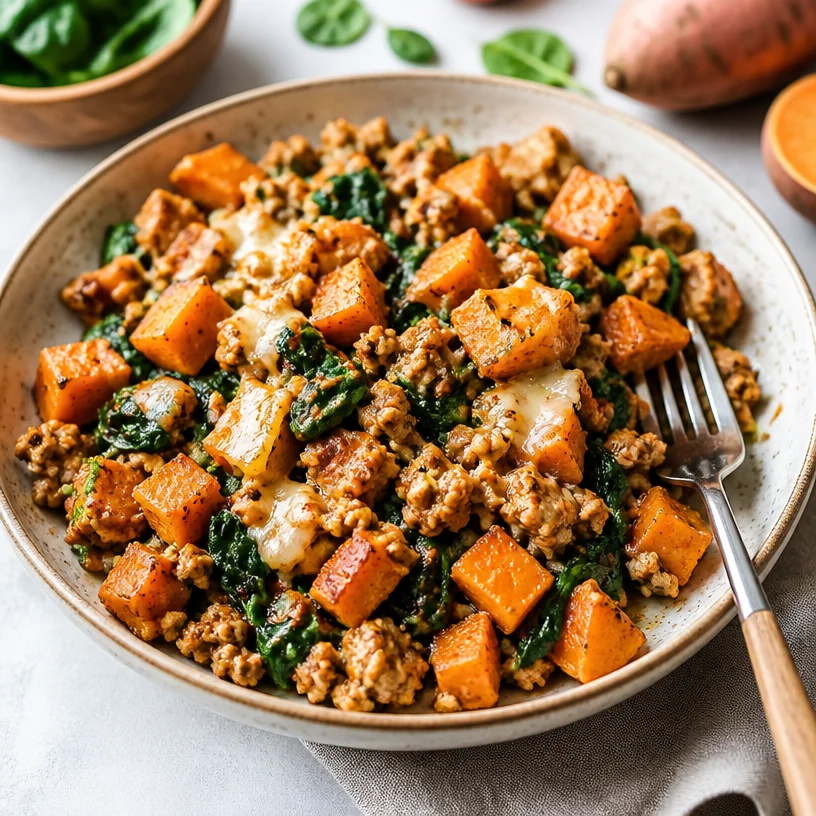
One-Pan Turkey Sweet Potato Skillet (Weeknight Dinner)
Turkey Sweet Potato Skillet: Your New Go-To for Fresh, Flavorful Meals
Hey there, kitchen adventurers! If you’re anything like me, you’re always on the lookout for meals that are not only delicious but also easy to whip up, right? Well, today I’m excited to share one of my all-time favorite recipes: the Turkey Sweet Potato Skillet. It has everything you need—protein, fiber, and loads of flavor—all in one pot. Perfect for weekday dinners and lazy Sundays alike!
Imagine this: a vibrant skillet filled with the earthy sweetness of roasted sweet potatoes, the savory goodness of lean ground turkey, and the bright pop of fresh spinach. It’s comfort food that you don’t have to feel guilty about.
This dish embodies my philosophy of “cleaning your plate” without sacrificing taste. Plus, who doesn’t love a one-skillet meal? Less clean-up means more time enjoying your food and catching up with loved ones—if you can resist diving right in, that is. So, put on your apron, grab your favorite wooden spoon, and let’s create something magical together!
A Taste of Nostalgia
Let me take you back a few years—one crisp autumn afternoon, I found myself in my grandmother’s cozy kitchen, the warm scent of spices filling the air. She was making her famous turkey chili, a recipe passed down through generations but with her own little twists. I remember her saying, “Cooking is like a dance; you add a little of this, a sprinkle of that, and it all comes together.”
Her words stuck with me, and I’ve carried them into my own cooking adventures. That day, I felt inspired to put my own spin on wholesome meals, embracing fresh ingredients and celebrating flavors while keeping things simple. Fast forward to today, and the Turkey Sweet Potato Skillet is my ode to those cherished memories. It’s a dish that marries nostalgia with a contemporary touch—a harmony of taste and health that makes you feel good inside and out.
Ingredients
Before we dive into the nitty-gritty of cooking, let’s gather our ingredients! Here’s what you’ll need:
-
1 lb Ground Turkey: A lean, protein-packed option that keeps this dish light and healthy. If you’re looking for a substitute, ground chicken or beef work well too. Just be mindful of the fat content to keep it healthier!
-
2 Medium Sweet Potatoes: Sweet potatoes bring a natural sweetness and are loaded with vitamins A and C. They’re deliciously creamy when cooked. If you don’t have sweet potatoes on hand, feel free to use regular potatoes or even butternut squash for a different flavor profile.
-
4 Cups Fresh Spinach: This leafy green adds vibrant color and a boost of iron. If you’re not a fan of spinach, kale or Swiss chard can easily take its place.
-
1 Small Onion, diced: Onions add depth and richness to the dish. You could switch it out for shallots or even garlic for added flavor.
-
2 Cloves Garlic, minced: A must for adding aroma and taste. If you’re a garlic lover (like me), a bit more won’t hurt!
-
1 tsp Paprika: This spice adds a warm smokiness. You can use smoked paprika for a deeper flavor, or if you want a kick, a pinch of cayenne pepper can spice things up.
-
Salt and Pepper: To taste! These basic seasonings are essential for bringing out the flavors in our dish.
Now that we have all our ingredients ready, let’s move on to creating this colorful skillet!
Step-by-Step Instructions
Alright, kitchen mates, here’s where the magic happens. Follow these simple steps to bring your Turkey Sweet Potato Skillet to life!
-
Prep Time: Start by peeling and dicing your sweet potatoes into small cubes—about 1 inch thick. This allows them to cook evenly and quicker. While you’re at it, dice the onion and mince the garlic.
Chef’s Tip: You can prep the sweet potatoes ahead of time. Just soak them in cold water to prevent browning!
-
Cook the Sweet Potatoes: Heat a large skillet over medium heat and add a drizzle of olive oil. Once shimmering, toss in the diced sweet potatoes, season with salt and pepper, and sauté for about 10 minutes. Stir occasionally until they begin to soften and caramelize.
Chef’s Commentary: This step is key as it brings out the natural sugars in the sweet potatoes, making them taste even better!
-
Add Onion and Garlic: Once your sweet potatoes are getting tender, add the diced onion and minced garlic to the skillet. Sauté for another 3-5 minutes until the onion is translucent and the garlic is fragrant, stirring frequently.
Hack: Keep an eye on your garlic—it can go from perfectly golden to burnt in a matter of seconds!
-
Brown the Turkey: Add the ground turkey to the skillet and break it up with your wooden spoon. Cook until it’s no longer pink, about 5-7 minutes. Season with paprika, salt, and pepper.
Pro Tip: For added flavor, let the turkey caramelize a bit at the bottom of the pan before stirring it—this gives a nice, rich base to the dish.
-
Incorporate the Spinach: Once the turkey is nicely browned, it’s time to add in the fresh spinach. Stir it in and watch it wilt beautifully! This should take just a couple of minutes.
Little Chef Hint: Don’t overcrowd the skillet. If you can’t fit all the spinach at once, add it in batches—trust me, it shrinks down quickly!
-
Final Seasoning: Give everything a good stir, and taste. Adjust seasoning with additional salt, pepper, or paprika, if desired.
-
Serve: Voila! Your Turkey Sweet Potato Skillet is ready! If you’re feeling fancy, garnish with some chopped fresh herbs like parsley or cilantro for an extra pop.
Serving Suggestions
For a delightful presentation, serve your skillet straight from the pan! This creates an inviting communal dining experience. You can also plate it up in individual bowls, topping each serving with a dollop of Greek yogurt or a sprinkle of feta cheese, if you’re feeling it. Pair it with a slice of crusty whole-grain bread or a light green salad to complete the meal.
Recipe Variations
Here are a few creative twists you can try to keep things exciting:
-
Add a Kick: Toss in some diced jalapeños or red pepper flakes for a spicy version.
-
Sweet and Savory: Add dried cranberries or raisins for a sweet contrast that pairs beautifully with the savory turkey and sweet potatoes.
-
Herby Goodness: Stir in some fresh herbs, like thyme, oregano, or basil, for an aromatic boost.
-
Dairy-Free Option: Skip the cheese toppings or use nut-based cheese for a vegan twist.
-
Chickpea Boost: For added fiber and vegetarian protein, throw in a can of drained chickpeas.
Chef’s Notes
Over the years, my Turkey Sweet Potato Skillet has seen its fair share of changes. What started as an experimental dish in my tiny apartment kitchen has turned into a weeknight staple! I remember the first time I served this to friends at dinner. We laughed as we tried to fit everything into one skillet, but the result was a giant hit. Now, it’s that reliable recipe I can count on when I need something quick, healthy, and satisfying. And the best part? It’s truly flexible!
FAQs and Troubleshooting
-
Can I use frozen sweet potatoes?
Absolutely! Just make sure to thaw them beforehand to ensure even cooking. You may need to adjust cooking times. -
What if my sweet potatoes aren’t cooking through?
No worries! If they’re still hard after the turkey is done, just add a splash of water to the skillet, cover it, and let everything steam for a few more minutes. -
Can I make this recipe ahead of time?
Definitely! You can prepare it ahead and store it in the fridge for up to 3 days. It reheats beautifully on the stovetop or in the microwave! -
What if I don’t like turkey?
Swap it for your ground protein of choice! Chicken, beef, or even plant-based crumbles can work just fine.
Nutritional Info
While nutritional values can vary based on specific brands and measurements, here’s a rough breakdown per serving (assuming 4 servings):
- Calories: 350
- Protein: 30g
- Carbohydrates: 35g
- Fat: 15g
- Fiber: 6g
There you have it, friends! Your very own Turkey Sweet Potato Skillet recipe, brimming with flavor and good vibes. I hope this dish brings you not only nourishment but also joy in the kitchen. Remember, cooking is all about enjoying the process—so don’t forget to keep it fun and flavorful! Let’s create more “clean plate” moments together! Happy cooking!
PrintTurkey Sweet Potato Skillet
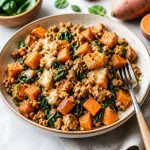
A flavorful one-skillet meal combining lean ground turkey, sweet potatoes, and fresh spinach, perfect for quick weekday dinners.
- Prep Time: 15 minutes
- Cook Time: 20 minutes
- Total Time: 35 minutes
- Yield: 4 servings 1x
- Category: Main Course
- Method: Skillet Cooking
- Cuisine: American
- Diet: Healthy
Ingredients
- 1 lb Ground Turkey
- 2 Medium Sweet Potatoes, diced
- 4 Cups Fresh Spinach
- 1 Small Onion, diced
- 2 Cloves Garlic, minced
- 1 tsp Paprika
- Salt and Pepper, to taste
- Olive Oil, for cooking
Instructions
- Prep the sweet potatoes by peeling and dicing them into small cubes.
- Heat a large skillet over medium heat and add olive oil.
- Add diced sweet potatoes to the skillet, season with salt and pepper, and sauté for about 10 minutes.
- Add onion and garlic to the skillet and sauté for another 3-5 minutes.
- Brown the ground turkey in the skillet until no longer pink, about 5-7 minutes.
- Add in fresh spinach and stir until wilted.
- Taste and adjust seasoning as needed.
- Serve garnished with fresh herbs if desired.
Notes
This dish can be made ahead and stored in the fridge for up to 3 days. Thaw frozen sweet potatoes beforehand for even cooking.
Nutrition
- Serving Size: 1 serving
- Calories: 350
- Sugar: 5g
- Sodium: 400mg
- Fat: 15g
- Saturated Fat: 3g
- Unsaturated Fat: 10g
- Trans Fat: 0g
- Carbohydrates: 35g
- Fiber: 6g
- Protein: 30g
- Cholesterol: 85mg
Keywords: Turkey, Sweet Potato, Skillet, Healthy Dinner, One Pan Meal
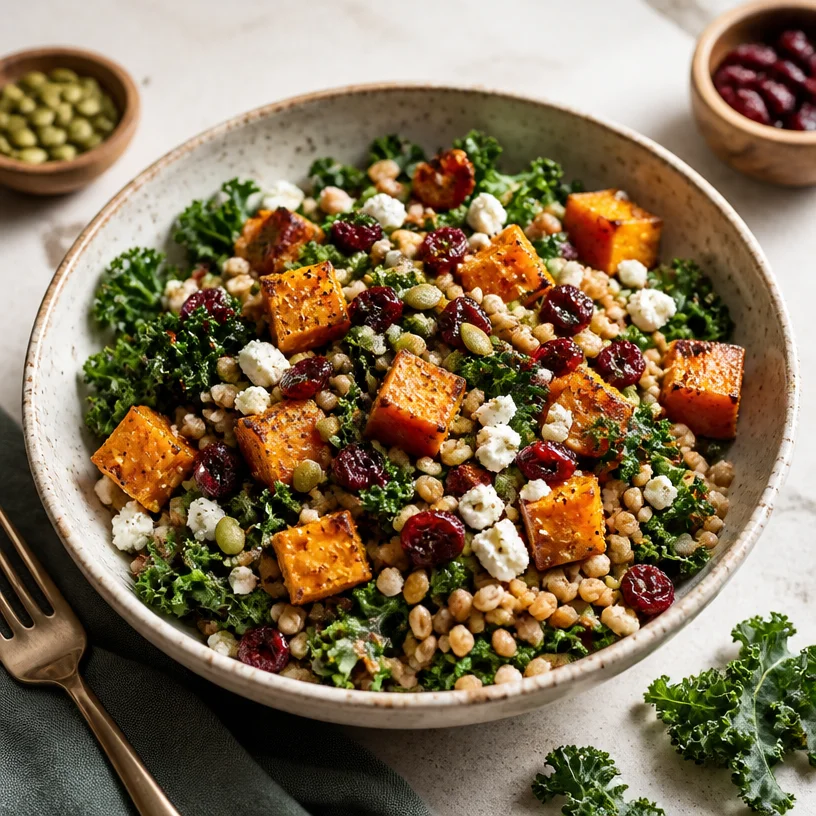
Harvest Grain Bowl: 25-Minute Weeknight Meal Prep Made Easy
Harvest Grain Bowl: A Cozy, Wholesome Delight
When the leaves start to turn and the crisp autumn air sets in, there’s nothing quite like a warm, hearty meal to brighten your day. Enter the Harvest Grain Bowl, a mindful medley of roasted seasonal squash, nutty farro, vibrant kale, and sweet cranberries. This dish brings the best of fall’s bounty into your kitchen while keeping it fresh, feel-good, and oh-so-delicious. It’s perfect for a cozy dinner or a meal prep superstar for those busy weekdays.
As a self-proclaimed grain bowl enthusiast, I can’t help but share how this dish not only embodies the essence of comfort food but also tells a story that resonates deeply with me. Beyond being just a meal, it’s a reminder of all the beautiful moments spent cooking and sharing food with loved ones.
So, let’s grab our aprons and dive into this colorful and nutrient-packed Harvest Grain Bowl that’s sure to leave you feeling energized and satisfied!
A Personal Story: Kitchen Memories That Warm the Heart
Ah, the memories that food can conjure! The first time I knew I was truly passionate about cooking was helping my grandmother prepare her famous autumn feast. She would host family gatherings every year when the first pumpkins appeared at the market. I remember the scent of roasting squash wafting through her cozy kitchen, the bustling chatter of family, and the comforting sound of pots clanging.
One year, we crafted a grain bowl with farro as the base—a grain she loved as much as I do now. The idea was simple: take whatever was in season, roast it, and assemble the most colorful bowl. The sweet notes of cranberries mingled with the earthy squash and the warmth of farro was magical. It became our little tradition, a moment to gather, share stories, and create a feast of gratitude.
Now, as I stand in my kitchen crafting a similar bowl, I always think of her. Each bite transports me back to that autumn kitchen where flavors danced and laughter filled the air. That’s the magic of food—it’s not just about the ingredients; it’s about the heart and stories that come along with them.
Ingredients
Here’s what you’ll need to create your own Harvest Grain Bowl:
-
Farro: A nutty, chewy grain that serves as the hearty base for our bowl. High in fiber and protein, it’s a great alternative to rice or quinoa. Substitute with barley or brown rice if preferred.
-
Roasted Squash: I love butternut squash for its creamy texture and sweet flavor when roasted. It’s rich in vitamins A and C. Don’t have butternut? Try acorn or delicata squash instead!
-
Kale: A superfood that not only adds a vibrant green color but is also packed with nutrients. Use lacinato or curly kale for a more robust texture. If you’re not a kale fan, spinach or Swiss chard work deliciously too.
-
Cranberries: Dried cranberries add a pop of sweetness and a lovely chew. They’re high in antioxidants! If you want to switch things up, dried cherries or raisins can provide that sweet touch.
-
Olive Oil: Use high-quality extra virgin olive oil to drizzle over your bowl for flavor and healthy fats. Avocado oil or melted coconut oil are great alternatives.
-
Salt and Pepper: Essential for enhancing all the flavors. Feel free to add your favorite spices too!
Step-by-Step Instructions
Step 1: Prepare the Farro
Start by rinsing your farro under cold water to remove any impurities. Then, in a medium pot, combine 1 cup of farro with 3 cups of water and a pinch of salt. Bring it to a gentle boil, then reduce the heat and cover for about 25-30 minutes, or until tender. If you want to speed things up, you can soak the farro overnight to decrease cooking time. Once it’s cooked, fluff it with a fork and set aside.
Step 2: Roast the Squash
While the farro is cooking, preheat your oven to 400°F (200°C). Cut your butternut squash in half, scoop out the seeds, and slice it into cubes. Spread the pieces on a baking sheet, drizzle with olive oil, and season with salt, pepper, and a pinch of nutmeg if you like a hint of warmth. Roast for 25-30 minutes, tossing halfway through, until they’re golden and fork-tender. Pro tip: You can roast multiple trays of veggies to save time on meal prep!
Step 3: Sauté the Kale
In a large skillet, heat a tablespoon of olive oil over medium heat. Add the chopped kale and sauté for about 3-5 minutes, just until it wilts down. You can add a splash of water and a pinch of salt to help soften it quickly. If you want, throw in some garlic for an extra kick—because who doesn’t love garlic?!
Step 4: Assemble the Bowl
Now it’s time to bring everything together! In a large bowl, start with a generous scoop of farro. Layer the roasted squash and sautéed kale on top. Sprinkle with dried cranberries, and feel free to add a sprinkle of feta or goat cheese if you’d like some creaminess!
Step 5: Drizzle and Serve
Finish by drizzling a bit more olive oil or a splash of balsamic vinaigrette over the top. For added flavor, sprinkle some toasted nuts or seeds for crunch! And voila! Your Harvest Grain Bowl is ready to be savored.
Serving Suggestions
To plate the dish, arrange the farro in the center of a shallow bowl, artfully place the roasted squash and sautéed kale around it, and top with cranberries. A few sprigs of fresh herbs like parsley or thyme can add an aromatic touch, while a few toasted pumpkin seeds will give a lovely crunch. Serve your Harvest Grain Bowl warm—it’s the perfect comforting hug in a bowl!
Recipe Variations
Feeling adventurous? Here are some fun variations you could try!
-
Mediterranean Twist: Add chickpeas, diced cucumbers, tomatoes, and a drizzle of tzatziki for a Mediterranean flair.
-
Spicy Kick: Toss in some sriracha or a sprinkle of red pepper flakes to crank up the heat.
-
Protein Boost: Add grilled chicken, roasted chickpeas, or baked tofu for extra protein.
-
Seasonal Swap: Substitute the squash with roasted beets or sweet potatoes during the winter months.
-
Herb-infused: Experiment with fresh herbs like basil, cilantro, or mint for a fresh twist!
Chef’s Notes
This Harvest Grain Bowl has become a staple in my home, and I love how flexible it is. On busy days, I make extra farro and veggies so I can mix and match throughout the week. Plus, I encourage you to get creative! When it comes to the ingredients, think of what’s in season or what you have on hand. I once even added crispy, sautéed mushrooms, and it was a game-changer!
And let’s not forget: if there are leftovers, don’t fret! They make an excellent addition to a breakfast hash or a flavorful lunch when tossed with a bit of vinaigrette.
FAQs and Troubleshooting
-
What if my farro is still hard after cooking?
No worries! Just add a bit more water, cover it, and cook a little longer. Farro can take time, but it’s worth the wait! -
How do I store leftovers?
Store your grain bowl components separately in airtight containers in the fridge. They’ll last about 3-4 days. Reheat your farro and veggies, keeping the kale fresh until you’re ready to eat. -
Can I make this bowl vegan?
Absolutely! Everything in this bowl is plant-based. Just skip the cheese or choose a vegan alternative. -
What if I can’t find farro?
Quinoa, barley, or brown rice can all be wonderful substitutes! Adjust cooking times as necessary.
Nutritional Info
While I won’t go into specifics here, I can tell you that this Harvest Grain Bowl is packed with fiber, vitamins, and minerals, making it a solid choice for a balanced meal!
Eating well can be simple and incredibly satisfying. With this Harvest Grain Bowl, you’ll not only nourish your body but also embrace those warm, cozy feelings of home, family, and love. So whip up this recipe and dig into a world of flavors and memories—it’s time to savor every bite!
PrintHarvest Grain Bowl
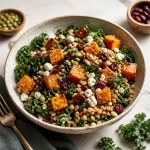
A cozy and wholesome Harvest Grain Bowl featuring roasted seasonal squash, nutty farro, vibrant kale, and sweet cranberries. Perfect for a nourishing meal.
- Prep Time: 15 minutes
- Cook Time: 30 minutes
- Total Time: 45 minutes
- Yield: 4 servings 1x
- Category: Main Course
- Method: Baking, Sautéing
- Cuisine: American
- Diet: Vegetarian
Ingredients
- 1 cup Farro
- 2 cups Roasted Squash (butternut or acorn)
- 2 cups Kale (lacinato or curly)
- 1/2 cup Dried Cranberries
- 2 tablespoons Olive Oil
- Salt and Pepper to taste
- Optional spices like nutmeg and garlic
Instructions
- Prepare the farro by rinsing it under cold water. In a medium pot, combine farro with water and a pinch of salt. Bring to boil, then reduce to simmer and cover for 25-30 minutes until tender.
- Roast the squash: Preheat oven to 400°F (200°C). Cut squash into cubes, place on a baking sheet, drizzle with olive oil, and season with salt and pepper. Roast for 25-30 minutes.
- Sauté the kale in a large skillet with olive oil over medium heat for 3-5 minutes until wilted.
- Assemble the bowl starting with farro, layering in roasted squash, sautéed kale, and sprinkling dried cranberries on top.
- Drizzle with more olive oil or balsamic vinaigrette and add nuts or seeds for crunch before serving.
Notes
Feel free to substitute farro with quinoa, barley, or brown rice. This bowl is flexible; add any seasonal vegetables or proteins you like!
Nutrition
- Serving Size: 1 bowl
- Calories: 400
- Sugar: 10g
- Sodium: 300mg
- Fat: 14g
- Saturated Fat: 2g
- Unsaturated Fat: 8g
- Trans Fat: 0g
- Carbohydrates: 60g
- Fiber: 8g
- Protein: 12g
- Cholesterol: 0mg
Keywords: grain bowl, autumn recipe, healthy meal, vegetarian bowl, farro, roasted vegetables
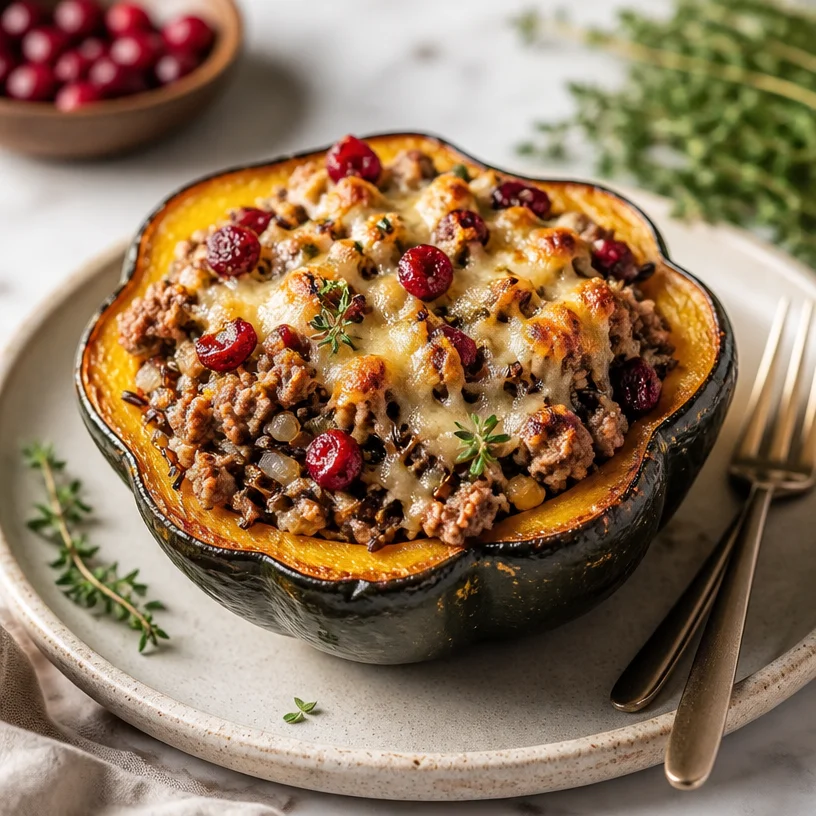
One-Pan Stuffed Acorn Squash: 30-Minute Weeknight Dinner
Stuffed Acorn Squash: A Cozy Fall Delight
Fall is in the air, and there’s nothing quite like the sight of vibrant acorn squash gracing your kitchen counter, beckoning you to transform it into a beautiful and wholesome meal. Today, we’re diving into a dish that not only fills your belly but feeds your soul: Stuffed Acorn Squash with Ground Turkey, Cranberries, and Wild Rice.
As the weather gets cooler, it’s the perfect time to take comfort in hearty, feel-good recipes. This dish is elegant enough for dinner parties yet simple enough for a cozy weeknight in. I promise that with each bite, you’ll experience a lovely blend of flavors that warms both the heart and the palate.
Personal Story
When I was a child, autumn meant two things: the thrill of jumping into piles of crunchy leaves and my mom’s famous stuffed acorn squash. I remember the aroma wafting through our home as she prepared the meal, a blend of sweet and savory notes that wrapped around me like a warm hug. Each year, she’d encourage my siblings and me to help her with the stuffing. With every scoop of wild rice mixed with cranberries, we’d squeal with delight; it felt like we were creating little treasures that held all our favorite flavors. Now, every time I make stuffed acorn squash, I’m transported back to those cherished moments. It’s more than just a dish; it’s a reminder that food has the power to bring people together.
Ingredients
Let’s roll up our sleeves and gather the ingredients for this luxurious dish:
-
Acorn Squash: The star of our show! Its slightly sweet, nutty flavor perfectly complements the savory stuffing. If acorn squash isn’t available, butternut or spaghetti squash can also work beautifully.
-
Ground Turkey: Lean and packed with protein, ground turkey is a lovely substitute for traditional beef or pork. If you prefer a vegetarian option, consider using lentils or chickpeas instead.
-
Cranberries: Dried cranberries add a burst of sweetness that balances the dish. If you’re watching your sugar, dried cherries or blueberries can be great alternatives.
-
Wild Rice: This adds a delightful chewy texture and earthy flavor. You could swap in quinoa or brown rice if you prefer, but the wild rice offers a unique twist that’s flavorful and nutritious.
-
Onion: Onion brings depth to the stuffing. Shallots or leeks can also lend a lovely flavor profile.
-
Celery: Adds crunch and freshness. You can replace it with bell peppers for a sweeter note, or simply omit it if you’re not a fan.
-
Garlic: A classic flavor booster! If fresh isn’t on hand, garlic powder works in a pinch.
-
Olive Oil: A drizzle of olive oil helps sauté the veggies and adds a silky finish. Avocado oil or grapeseed oil are solid substitutes.
-
Herbs (Thyme and Sage): Fresh herbs elevate the dish with fragrant notes of autumn. Feel free to use dried herbs if that’s what you have on hand – just adjust the quantities.
-
Salt and Pepper: Essential for flavor! Always season to taste as you go.
Step-by-Step Instructions
-
Preheat the Oven: Start by preheating your oven to 400°F (200°C). This gets the cooking process going before you even start assembling your dish.
-
Prepare the Acorn Squash: Cut the acorn squashes in half lengthwise (cooking tip: use a sharp knife for clean cuts). Scoop out the seeds—don’t worry about being perfect! Drizzle a little olive oil inside each half and sprinkle with salt and pepper. This will help them roast to perfection!
-
Roast the Squash: Place the squash halves, cut side down, on a baking sheet. Roast them in the oven for about 25-30 minutes. You want them fork-tender, so keep an eye on them!
-
Cook the Wild Rice: While the squash is roasting, prepare the wild rice according to package instructions. Usually, it takes about 45 minutes to cook, so it’s good to have this going while everything else is in the oven. The fluffiness of the rice is key, so don’t rush it!
-
Sauté the Aromatics: In a large skillet, heat a tablespoon of olive oil over medium heat. Add diced onion and celery to the pan. Sauté these for about 5 minutes, until the onion becomes translucent and the celery softens.
-
Brown the Ground Turkey: Push the veggies to one side of the pan and add the ground turkey, breaking it up with a spatula. Cook until it’s browned and cooked through (about 7-10 minutes). The turkey will soak up all that delicious flavor from the aromatics.
-
Add the Flavor: Toss in minced garlic and herbs at this stage. Cook for an additional minute until fragrant. Your kitchen will smell heavenly!
-
Mix It Up: Now, add the cooked wild rice and dried cranberries into the skillet with the turkey and veggies. Stir everything together and season with salt and pepper to taste. Feel free to get creative—this is your moment to shine!
-
Stuff the Squash: Carefully turn the roasted squash halves right side up. Generously fill each half with the turkey and rice mixture. Don’t be shy—heap it high!
-
Final Bake: Pop the stuffed squash back in the oven for an additional 10-15 minutes, just to heat everything through and allow the flavors to meld.
-
Serve and Enjoy: Once done, pull them out of the oven and let them cool for a few minutes. Then, drizzle a little extra olive oil on top, if desired, for a finishing touch.
Serving Suggestions
Plating these stuffed acorn squashes is a visual delight! Serve them warm on a rustic wooden platter to create a cozy vibe. Garnish with a sprinkle of fresh chopped herbs for that beautiful pop of green, and don’t forget a wedge of lemon on the side for a zesty twist!
Recipe Variations
-
Vegetarian Delight: Skip the turkey and load up on beans, mushrooms, and extra veggies like zucchini or spinach for a wholesome vegetarian version.
-
Cheesy Goodness: Mix in some feta or goat cheese into the stuffing before baking for a creamy and tangy flavor kick.
-
Spice it Up: Add some heat with diced jalapeños or a dash of cayenne pepper to the turkey mixture. A little kick never hurt anyone!
-
Nuts About It: Toss in some chopped walnuts or pecans for added crunch and nuttiness.
-
Herb Forward: Swap out thyme and sage for fresh rosemary and parsley for a refreshing take on flavor!
Chef’s Notes
If there’s one thing I’ve learned in my cooking journey, it’s that recipes are never set in stone. I often find myself getting a little adventurous—like the time I added leftover cranberry sauce (yes, that’s right!) into the stuffing. It gave a surprising burst of tart sweetness that I can’t believe I hadn’t tried sooner! Each time I make this dish, I embrace the idea that cooking should be flexible and fun. So, my advice is always to trust your instincts and have fun with it!
FAQs and Troubleshooting
1. My acorn squash is tough to cut! What should I do?
If your squash is particularly firm, microwave it for 2-3 minutes first to soften it slightly, making it easier to cut.
2. How do I know when my wild rice is done?
Wild rice should be chewy and split open when cooked, with a tender bite. Just be sure to taste it before draining!
3. Can I make this dish ahead of time?
Absolutely! You can prepare the stuffing a day in advance and just assemble and bake the acorn squash before serving.
4. My stuffing seems dry. How can I fix it?
If your stuffing ends up a bit dry, drizzle in some chicken or vegetable broth, or even a splash of olive oil, to add moisture!
Nutritional Info (Optional)
While I believe good food doesn’t need to dwell on numbers, here’s a rough estimate for one stuffed acorn squash half:
- Calories: 350
- Protein: 20g
- Carbs: 40g
- Fat: 12g
- Fiber: 7g
Conclusion
There you have it, my lovely foodies! Stuffed acorn squash is a delightful celebration of fall flavors that is tough to beat. With each bite, you’ll savor the warmth of home-cooked goodness and perhaps a sprinkle of nostalgia, just like I do. Remember, cooking is all about enjoying the moment, so embrace the spices, share the laughter, and have fun in your kitchen. Now, roll up those sleeves and get stuffing—your cozy meal awaits!
PrintStuffed Acorn Squash

A cozy fall dish featuring acorn squash stuffed with ground turkey, cranberries, and wild rice, perfect for chilly evenings.
- Prep Time: 15 minutes
- Cook Time: 45 minutes
- Total Time: 60 minutes
- Yield: 4 servings 1x
- Category: Main Course
- Method: Baking
- Cuisine: American
- Diet: None
Ingredients
- 2 Acorn Squash
- 1 lb Ground Turkey
- 1/2 cup Dried Cranberries
- 1 cup Wild Rice
- 1 Onion, diced
- 1 Celery stalk, diced
- 2 cloves Garlic, minced
- 2 tbsp Olive Oil
- 1 tsp Dried Thyme
- 1 tsp Dried Sage
- Salt and Pepper to taste
Instructions
- Preheat the oven to 400°F (200°C).
- Prepare the acorn squash by cutting in half and scooping out the seeds. Drizzle with olive oil and season with salt and pepper.
- Roast the squash halves cut side down on a baking sheet for 25-30 minutes until fork-tender.
- Cook the wild rice according to package instructions (approximately 45 minutes).
- Sauté diced onion and celery in a skillet with olive oil for 5 minutes.
- Brown the ground turkey in the skillet for 7-10 minutes, breaking it up as it cooks.
- Add minced garlic and herbs, cooking for an additional minute.
- Mix in the cooked wild rice and cranberries, seasoning with salt and pepper.
- Stuff the roasted squash with the turkey and rice mixture.
- Final bake for 10-15 minutes to heat through.
- Serve warm with a drizzle of olive oil on top.
Notes
Feel free to customize with additional vegetables or spices to create your perfect stuffed squash.
Nutrition
- Serving Size: 1 half of acorn squash
- Calories: 350
- Sugar: 5g
- Sodium: 400mg
- Fat: 12g
- Saturated Fat: 2g
- Unsaturated Fat: 8g
- Trans Fat: 0g
- Carbohydrates: 40g
- Fiber: 7g
- Protein: 20g
- Cholesterol: 75mg
Keywords: stuffed acorn squash, fall recipe, savory squash, healthy dinner, comfort food
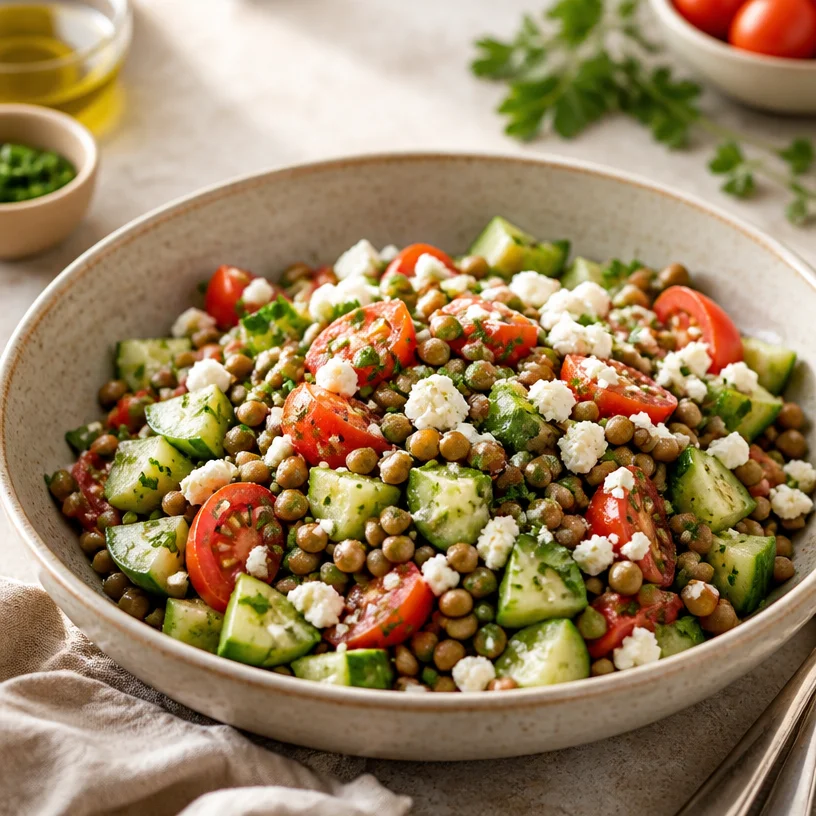
Minute Mediterranean Lentil Bowl for Weeknights
Mediterranean Lentil Bowl: A Wholesome Delight
Welcome back, food lovers! Today, we’re diving into a dish that’s not only a feast for the palate but also a celebration of vibrant, fresh ingredients—welcome to my Mediterranean Lentil Bowl! Whether you’re a seasoned chef or just getting cozy in the kitchen, this recipe will ignite your taste buds and fill your body with the good stuff. Trust me, this is one bowl you’ll be craving again and again.
Why Lentils?
Lentils aren’t just any ordinary legume; they are little nutritional powerhouses! Packed with protein, fiber, and essential nutrients, they give you that solid base to keep you satisfied and energized throughout your day. Plus, they’re incredibly versatile and soak up flavors beautifully, making them the perfect star of our Mediterranean Bowl.
I remember a sunny afternoon in my grandmother’s kitchen, the smell of simmering lentils wafting through the air as we prepared for our Sunday family feast. She always emphasized the love and care that went into cooking, which made every meal taste that much better. Now, as I whip up this Mediterranean Lentil Bowl, I can almost hear her gentle reminders echoing in my kitchen, encouraging me to savor every bite and share the joy of good food with others.
Ingredients
Here’s what you’ll need for this vibrant Mediterranean Lentil Bowl:
-
Lentils: The base of our dish! You can use any variety, but I love green or French lentils for their unique texture. Substitution tip: If lentils aren’t available, you can swap them for cooked quinoa or chickpeas for a different texture.
-
Cucumber: Adds a refreshing crunch! Look for a firm cucumber without soft spots. If you’re not a cucumber fan, swap in bell peppers or zucchini for a similar fresh crunch.
-
Tomatoes: Juicy, vibrant tomatoes bring color and sweetness! Cherry or grape tomatoes work wonderfully; they add a pop of flavor. For a twist, try sun-dried tomatoes for a more concentrated taste.
-
Feta Cheese: This tangy cheese adds a creamy bite. If you’re looking for a dairy-free option, crumbled tofu or avocado can provide a similar textural element.
-
Olive Oil: A staple in Mediterranean cooking, it brings richness and depth. Choose high-quality extra virgin olive oil for the best flavor! In a pinch, avocado oil can be a suitable alternative.
-
Lemon Juice: For that zesty kick! Freshly squeezed lemon juice enhances all the other flavors. If you don’t have lemon, a little vinegar (like balsamic or red wine) can work well too.
-
Salt and Pepper: Essential for bringing out all those delicious flavors! Feel free to experiment with herbs and spices according to your palate.
Step-by-Step Instructions
Now that we have our ingredients prepped and ready, let’s get to the fun part—cooking! Here’s how to create your Mediterranean Lentil Bowl step by step.
-
Cooking the Lentils:
Begin by rinsing your lentils under cold water. This removes any dirt or impurities that may linger. In a pot, combine 1 cup of lentils with 3 cups of water or vegetable broth (for added flavor) and a pinch of salt. Bring to a boil, then reduce the heat to a simmer. Cook for about 20-25 minutes until they are tender but still hold their shape. Chef hack: Add a bay leaf while cooking for an extra aromatic touch! -
Prep the Veggies:
While the lentils are cooking, it’s time to chop our veggies! Dice the cucumber into small cubes and halve your tomatoes. You want them to be bite-sized for that perfect bowl experience. Pro tip: If you let the cucumber sit with a sprinkle of salt for a few minutes, it’ll release some moisture, intensifying its flavor! -
Assemble the Bowl:
Once your lentils are cooked, drain any excess liquid and let them cool slightly. In a large mixing bowl, combine the lentils, tomatoes, and cucumber. Crumble in your feta for that creamy goodness, then drizzle with olive oil and a squeeze of lemon juice. Give it all a gentle toss so everything is evenly coated. Chef insight: For a delightful crunch, consider tossing in some roasted nuts or seeds such as sunflower seeds or almonds. -
Season It Up:
Taste the mixture and add salt and pepper to your liking. This is your opportunity to customize! If you’re feeling spicy, a pinch of red pepper flakes can elevate the dish beautifully. -
Serve:
Spoon your Mediterranean Lentil Bowl onto individual plates or a large serving platter. The vibrant colors are sure to catch anyone’s eye—don’t forget to take a quick pic for your foodgram before diving in!
Serving Suggestions
Serve your Mediterranean Lentil Bowl warm, at room temperature, or even chilled. Pair it with crusty whole-grain bread or pita and a side of hummus for a deliciously satisfying meal. And don’t forget to garnish with a sprinkle of fresh herbs like parsley or basil for that added flair!
Recipe Variations
Feeling adventurous? Here are a few tasty variations to switch things up:
- Mediterranean Lentil Tacos: Use your lentil mixture as a filling for tacos, adding avocado and salsa for a twist.
- Spicy Harissa Lentils: Stir in a spoonful of harissa paste for a spicy kick!
- Grilled Veggie Bowl: Top your lentils with charred veggies like bell peppers and eggplant for a smoky flavor.
- Herbed Quinoa Bowl: Swap lentils for quinoa and mix in fresh herbs like dill or mint for a lighter version.
Chef’s Notes
As I was developing this recipe, I wanted to capture the essence of my grandmother’s cooking—simple yet rich in flavor. The beauty of this bowl is its flexibility; you get to cater it to your tastes! It has evolved over the years, from a simple lentil stew to this delightful medley of textures and bright flavors.
One of my favorite moments was a summer cookout where I served this dish as a main, and guests couldn’t get enough! It’s moments like these that remind me why we cook; it’s about connection, love, and sharing good food.
FAQs and Troubleshooting
Q: Why are my lentils mushy?
A: Overcooking can lead to mushy lentils. Keep an eye on them during cooking—taste them once the water reaches a simmer!
Q: Can I meal prep this dish?
A: Absolutely! This bowl holds well in the fridge for up to 4 days. Just store the components separately to keep the veggies crisp.
Q: What can I use if I don’t have feta cheese?
A: You can skip the cheese altogether or substitute with vegan options like crumbled tofu or even avocado for creaminess.
Q: How can I make this dish more filling?
A: Include a grain like quinoa or brown rice in your bowl for added fiber and nutritional benefits.
Nutritional Info
This Mediterranean Lentil Bowl is not only delicious but also packed with nutrition. A serving offers around:
- Calories: 350
- Protein: 18g
- Fiber: 14g
- Carbs: 45g
- Fats: 10g
It’s a balanced dish that gives you the fuel you need to tackle your day!
So there you have it: a wholesome Mediterranean Lentil Bowl that combines flavor, nostalgia, and healthy eating—all in one. Dive in, enjoy, and remember that good food is best when shared. Happy cooking, foodies!
PrintMediterranean Lentil Bowl
A vibrant and wholesome dish featuring lentils, fresh vegetables, and tangy feta cheese, perfect for any meal!
- Prep Time: 15 minutes
- Cook Time: 25 minutes
- Total Time: 40 minutes
- Yield: 4 servings 1x
- Category: Main Course
- Method: Boiling & Tossing
- Cuisine: Mediterranean
- Diet: Vegetarian
Ingredients
- 1 cup lentils (green or French)
- 3 cups water or vegetable broth
- 1 cucumber, diced
- 1 cup cherry or grape tomatoes, halved
- 1 cup feta cheese, crumbled
- 2 tablespoons olive oil
- 2 tablespoons freshly squeezed lemon juice
- Salt to taste
- Pepper to taste
Instructions
- Rinse your lentils under cold water.
- Combine lentils, water or broth, and a pinch of salt in a pot.
- Bring to a boil, then reduce heat to simmer for 20-25 minutes until tender.
- Dice the cucumber and halve the tomatoes while lentils cook.
- Drain excess liquid from cooked lentils and let cool slightly.
- Mix lentils, tomatoes, and cucumber in a large bowl.
- Add crumbled feta, olive oil, and lemon juice; toss gently.
- Season with salt and pepper to taste.
- Serve the bowl on plates or a platter, garnished with fresh herbs.
Notes
This dish can be served warm, at room temperature, or chilled. Perfect with whole-grain bread or pita.
Nutrition
- Serving Size: 1 serving
- Calories: 350
- Sugar: 5g
- Sodium: 400mg
- Fat: 10g
- Saturated Fat: 3g
- Unsaturated Fat: 7g
- Trans Fat: 0g
- Carbohydrates: 45g
- Fiber: 14g
- Protein: 18g
- Cholesterol: 30mg
Keywords: lentil bowl, Mediterranean recipe, healthy dishes, vegetarian meal, wholesome ingredients
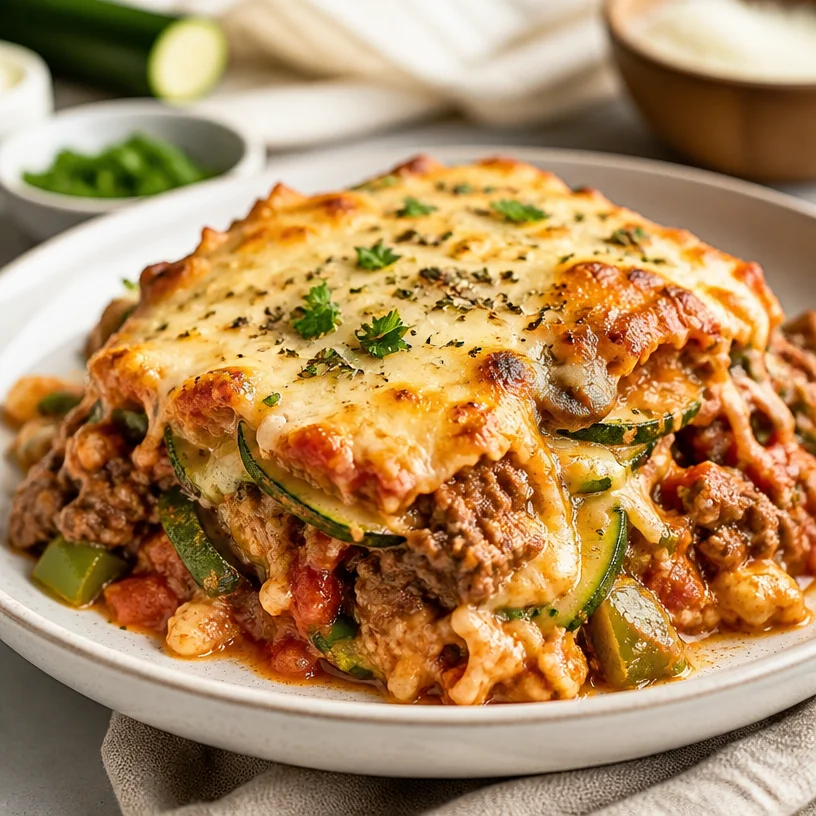
Ingredient Zucchini Pizza Casserole: Quick Low-Carb Comfort
Zucchini Pizza Casserole: Your New Favorite Low-Carb Comfort Food
Welcome to Clean Plate Cravings! Today, we’re diving into a dish that’s going to change your weeknight dinners forever—Zucchini Pizza Casserole! Trust me, if you’re a pizza lover but want to keep things low-carb, you’ve stumbled upon a winner. Not only does this casserole pack the same savory flavors you adore, but it also keeps you feeling light and energized. Imagine all that cheesy goodness layered with wholesome veggies in one pan; it’s the comfort food experience redefined!
Nostalgic Kitchen Story
Let me take you back to my childhood kitchen, filled with the aroma of spices and melted cheese. Every Friday night, my family had a special tradition. We’d whip up homemade pizza from scratch—yes, we were those people who had flour on every surface! I can still hear my mom’s laughter as we fought over the last piece of pepperoni or how my little brother would drench his slice in extra parmesan like it was a race. Those moments were filled with happiness and a sprinkle of chaos—just how I like it!
Fast forward to now, and while Friday family pizza nights still hold a dear place in my heart, I’ve adopted a slightly different approach to keep it healthier. Enter: Zucchini Pizza Casserole! It brings all those cherished flavors together but adds a whole nutrition boost without skimping on taste. Get ready to make some memories of your own in the kitchen with this creamy, cheesy goodness!
Ingredients
Here’s what you’ll need to gather for this lovely low-carb casserole:
-
4 cups Zucchini (Grated): This is the star of our show! Zucchini makes the perfect base, providing a subtle flavor while soaking up all the delicious seasonings. Use a box grater or food processor for quick grating. If you’re in a pinch, yellow squash works just as well!
-
1 teaspoon Salt: Sprinkle this on your grated zucchini to draw out moisture. It’s an essential step to avoid a soggy casserole! You could use sea salt or kosher salt here—both will do the trick.
-
2 large Eggs (Beaten): The binding agents of our casserole! They add richness and help hold everything together. You can swap them for two tablespoons of flaxseed mixed with water for a vegan option.
-
1/2 cup Parmesan Cheese (Grated): A touch of this adds a nutty flavor and a delightful crisp on top. Pecorino Romano can be a fantastic substitute if you’re up for a sharper edge.
-
1 cup Mozzarella Cheese (Shredded): This brings all the cheesy goodness we crave! Feel free to use low-fat mozzarella for a lighter version, or go for lactose-free if dairy is an issue.
-
1 cup Cheddar Cheese (Shredded): Cheddar adds a depth of flavor and creaminess to balance the dish. Try gouda for a smokier finish or pepper jack for a bit of spice.
-
1 pound Ground Beef: A classic choice for the protein in our casserole. You can easily swap it with ground turkey, chicken, or even plant-based crumbles if you’re not feeling meaty!
-
1 medium Onion (Chopped): Fresh onions add sweetness and depth. Red onions work great if you prefer a milder flavor.
-
1 cup Pizza Sauce: Go for your favorite store-bought brand or whip up a homemade version. The sauce infuses the casserole with that iconic pizza flavor!
-
1 cup Green Bell Pepper (Chopped): Added crunch and flavor! Colorful bell peppers like red or yellow will brighten up your dish even more.
-
1 cup Mushrooms (Sliced): These bring an earthy richness that’s wonderfully complementary. If you’re not a fan, try spinach or zucchini instead!
-
1 teaspoon Dried Oregano: A classic pizza herb that ties all the flavors together! Fresh oregano will give an even bolder flavor boost.
-
1 teaspoon Garlic Powder: Because everything’s better with garlic! You can absolutely use fresh minced garlic if you want to elevate the dish a notch.
-
To taste Black Pepper: A sprinkle of black pepper brings everything together. Give it a taste and adjust as needed!
Step-by-Step Instructions
Now, let’s roll up our sleeves and get cooking! Follow these steps to whip up your Zucchini Pizza Casserole:
-
Prep the Zucchini:
- Start by grating your zucchini. Grab a box grater or a food processor to make this step quick and easy. Place the grated zucchini in a clean kitchen towel and squeeze out excess moisture (this prevents a watery casserole!). Trust me, it’s worth the extra effort for the best texture!
-
Combine with Salt:
- In a large mixing bowl, toss the grated zucchini with salt and let it sit for about 10 minutes. This allows some of the water to escape, ensuring your casserole doesn’t turn into a soggy mess. It’s like giving your veggies a spa day!
-
Preheat the Oven:
- While your zucchini is resting, preheat your oven to 375°F (190°C). This way, it’ll be nice and toasty when your casserole is ready to go in.
-
Cook the Meat:
- In a medium skillet over medium heat, brown the ground beef (or your chosen substitute) with the chopped onion. Sauté until the meat is fully cooked and the onions become translucent—around 5-7 minutes. Drain the excess fat if needed. Browned meat enhances the flavor!
-
Mix Everything Together:
- In your mixing bowl, combine the cooked meat and onions with the squeezed zucchini, beaten eggs, Parmesan cheese, 1/2 cup of mozzarella cheese, oregano, garlic powder, black pepper, bell pepper, and mushrooms. Stir until everything is well combined. You want all those flavors to meld together!
-
Layer and Pour:
- Prepare a greased 9×13 inch baking dish. Spread the zucchini mixture evenly in the dish. Pour your pizza sauce over the top, spreading it out with a spatula. You can also swirl it in for a fun marbled effect!
-
Top with Cheese:
- Sprinkle the remaining mozzarella cheese and cheddar cheese on top. This is where you can get extra with the cheese if you want it super melty and gooey!
-
Bake:
- Pop the casserole into your preheated oven and bake for 30-35 minutes until the cheese is bubbly and golden. If you like a little extra crunch, throw it under the broiler for 2-3 minutes at the end—but keep an eye on it!
-
Cool and Serve:
- Once it’s out of the oven, let it cool for about 10 minutes before slicing. This resting time allows it to firm up a bit, making serving easier. Trust me, the wait is worth it!
Serving Suggestions
Ready to serve your masterpiece? Cut it into squares and serve warm. It pairs beautifully with a side salad dressed in a zesty vinaigrette to bring a refreshing contrast. For an extra pop of color, garnish with fresh basil or parsley! Look at you, adding that chef flair!
Recipe Variations
Feeling adventurous? Here are some ways to make this dish your own:
-
Cauliflower Crust: Substitute half the zucchini for cauliflower rice to give it a different texture.
-
Load on the Veggies: Add in more diced vegetables like spinach, olives, or even artichoke hearts for extra nutrients and flavor.
-
Spicy Kick: Toss in some diced jalapeños or crushed red pepper flakes if you like heat!
-
Herb Swap: Use fresh basil in place of dried oregano for a burst of freshness.
-
Meatless Delight: Try swapping the ground beef for black beans or lentils for a plant-based protein alternative!
Chef’s Notes
One of the joys of cooking is how recipes evolve! This Zucchini Pizza Casserole actually came to life one day when I had a ton of zucchini from my garden, and I was feeling a little lazy about making pizza. It originally started as a layered bake but has transformed into this fabulous one-pan dish! It’s become a favorite at potlucks, and I love how everyone can cater it to their personal preferences. Plus, the leftovers (if you have any!) are brilliant for meal prep!
FAQs and Troubleshooting
1. Why is my casserole watery?
- Make sure to squeeze out as much moisture from the zucchini as possible and let the mixture sit with salt for a bit before baking.
2. Can I make this ahead of time?
- Yes! You can prepare and layer it the night before, then simply pop it in the oven when you’re ready to serve.
3. What if I don’t like mushrooms?
- No problem! Just leave them out or substitute with veggies you prefer, like zucchini or spinach!
4. How do I store leftovers?
- Store any leftover casserole in an airtight container in the refrigerator for up to 4-5 days. Reheat in the microwave or oven until warmed through.
Nutritional Info
(You’ll want to calculate based on the specific brands and quantities used! As a general guideline, here’s an approximate breakdown for a standard serving of this casserole)
- Calories: 300
- Protein: 25g
- Carbs: 10g
- Fat: 20g
- Fiber: 3g
In closing, this Zucchini Pizza Casserole is all about enjoying delicious comfort food while keeping it healthy! So gather your loved ones, share your culinary stories, and let this dish bring a cozy vibe to your dining table. Happy cooking, friends!
PrintZucchini Pizza Casserole

A delicious low-carb casserole that combines all the flavors of pizza while keeping it light and nutritious.
- Prep Time: 15 minutes
- Cook Time: 35 minutes
- Total Time: 50 minutes
- Yield: 6 servings 1x
- Category: Main Course
- Method: Baking
- Cuisine: Italian
- Diet: Low-Carb
Ingredients
- 4 cups Zucchini (Grated)
- 1 teaspoon Salt
- 2 large Eggs (Beaten)
- 1/2 cup Parmesan Cheese (Grated)
- 1 cup Mozzarella Cheese (Shredded)
- 1 cup Cheddar Cheese (Shredded)
- 1 pound Ground Beef
- 1 medium Onion (Chopped)
- 1 cup Pizza Sauce
- 1 cup Green Bell Pepper (Chopped)
- 1 cup Mushrooms (Sliced)
- 1 teaspoon Dried Oregano
- 1 teaspoon Garlic Powder
- To taste Black Pepper
Instructions
- Prep the Zucchini: Grate your zucchini using a box grater or a food processor. Place it in a clean kitchen towel and squeeze out excess moisture.
- Combine with Salt: In a large mixing bowl, toss the grated zucchini with salt and let it sit for about 10 minutes.
- Preheat the Oven: Preheat your oven to 375°F (190°C).
- Cook the Meat: In a medium skillet, brown the ground beef and chopped onion over medium heat until fully cooked.
- Mix Everything Together: In your mixing bowl, combine the cooked meat, onions, squeezed zucchini, beaten eggs, Parmesan cheese, half of the mozzarella cheese, oregano, garlic powder, black pepper, bell pepper, and mushrooms.
- Layer and Pour: Prepare a greased 9×13 inch baking dish, spread the zucchini mixture evenly, and pour the pizza sauce over the top.
- Top with Cheese: Sprinkle the remaining mozzarella cheese and cheddar cheese on top.
- Bake: Bake for 30-35 minutes until the cheese is bubbly and golden.
- Cool and Serve: Let it cool for about 10 minutes before slicing.
Notes
You can prepare this casserole ahead of time and bake it when you’re ready to serve. Adjust the vegetables according to your preference!
Nutrition
- Serving Size: 1 serving
- Calories: 300
- Sugar: 4g
- Sodium: 500mg
- Fat: 20g
- Saturated Fat: 10g
- Unsaturated Fat: 5g
- Trans Fat: 0g
- Carbohydrates: 10g
- Fiber: 3g
- Protein: 25g
- Cholesterol: 120mg
Keywords: Zucchini, Pizza, Casserole, Low-Carb, Comfort Food
Minute Harvest Vegetable Soup for Weeknight Dinners
Harvest Vegetable Soup: A Warm Bowl of Comfort
Welcome, fellow food lovers! Today, we’re diving into a cozy, colorful dish that’s perfect for those crisp fall nights—Harvest Vegetable Soup. When the leaves turn golden and the air gets that delightful chill, there’s nothing quite like a warm bowl of soup to wrap your hands around and fill your belly. It’s comfort food at its finest, and my goal today is to share with you not just a recipe, but a little bit of love and warmth that comes from cooking.
As the days get shorter and the nights longer, the hustle and bustle of life can feel overwhelming. But cooking can be a soothing retreat from it all, and this harvest vegetable soup is just the answer. Packed with nourishing vegetables, herbs, and spices, it’s deliciously satisfying and easy to whip up, even on your busiest days. There’s something magical about transforming a handful of fresh ingredients into something hearty and soul-warming, and I can’t wait to share the step-by-step process with you. Don’t worry if you’re new to cooking; I’ll be right here to guide you through every chop and stir!
Grab your aprons and your favorite chopping knife, and let’s get started on crafting a bowl of goodness that celebrates the beauty of fall produce. Trust me, you’re going to want to make a double batch for meal prep—you’ll thank yourself later when you’re reaching for a quick, wholesome meal that doesn’t skimp on flavor!
A Trip Down Memory Lane
Let me take you back to my childhood kitchen, where the comforting aroma of soup simmering on the stove was a daily ritual. My grandmother had this magical touch; she could turn the simplest ingredients into a feast for the senses. I remember rushing home from school, the scent of roasted squash and fresh herbs weaving through the air, wrapping around me like an embrace.
One fall afternoon, I wandered into the kitchen, my fingers coated in autumn leaves after playing outside. I spotted her chopping vibrant carrots and rich, golden squash, their colors so bright they almost sparkled. There was kale too—a leafy green that I wasn’t particularly fond of at the time. But under her expert hands, everything melded together, creating something more than just a soup; it was a celebration of the season, a family tradition, and a way to connect with nature.
We’d gather around the table as the soup bubbled away, dipping our bread into steaming bowls, sharing stories, giggles, and countless memories. Even now, as I stand in my kitchen, cooking this harvest vegetable soup, I can feel her spirit guiding me. So, let’s create those memories together. Are you ready?
Ingredients
Here’s what you’ll need to make this comforting harvest vegetable soup:
-
Squash (butternut or acorn are great choices)
- Chef Insight: Squash brings a subtle sweetness and creaminess to the soup. If you can’t find any, sweet potatoes make a fantastic substitute!
-
Carrots (fresh, vibrant, and sweet)
- Substitution Tip: You can use parsnips for a slightly different flavor profile or add some flavor with sweet bell peppers!
-
Kale (the ultimate leafy green)
- Quick Insight: Kale adds a hearty texture and loads of nutrients. If you’re not a kale fan, spinach or swiss chard can be used instead!
-
Tomatoes (canned diced tomatoes work well, or fresh if they’re in season)
- Substitution Tip: For a richer flavor, try using roasted tomatoes for a deeper taste or even sun-dried tomatoes for a unique twist.
-
Vegetable broth (store-bought or homemade)
- Chef Insight: Broth is the soul of your soup! Feel free to use chicken broth for a non-vegetarian option, or even water if you’re in a pinch, although it might lack depth.
-
Onion (for that base flavor)
- Tip: Yellow or white onions work best; they add a mild sweetness that balances the earthy vegetables.
-
Garlic (fresh, minced or crushed)
- Chef Secret: Garlic infuses the soup with warmth and depth. Add it later in the cooking process to keep that fresh flavor!
-
Olive oil (for sautéing)
- Tip: Use high-quality extra virgin olive oil for added richness.
-
Herbs (thyme, rosemary, and a bay leaf)
- Substitution Tip: Dried herbs can work in a pinch, but fresh herbs elevate the dish. Experiment with others like parsley or oregano according to your taste preference!
-
Salt and pepper (to taste)
- Chef Hint: Season in layers—add a pinch while sautéing and adjust before serving.
Step-by-Step Instructions
Let’s get down to the nitty-gritty! Follow these steps, and soon enough, your kitchen will smell heavenly.
-
Prep the Vegetables: Start by washing all your veggies thoroughly. This is a great time to channel your inner chef and get those knife skills polished! Chop the squash, carrots, and onion into bite-sized pieces, and roughly chop the kale. Don’t forget to mince the garlic—tiny pieces release tons of flavor!
-
Sauté the Base:
- In a large pot, heat about a tablespoon of olive oil over medium heat.
- Toss in the chopped onions and sauté until they’re soft and translucent, about 5 minutes.
- Tip: Make sure to stir frequently to avoid burning!
-
Add Garlic & Carrots:
- Once the onions are ready, toss in the minced garlic. Let that sizzle for about 30 seconds until fragrant (keep an eye on it so it doesn’t burn!).
- Add the carrots next and sauté for another 3-4 minutes. This helps to sweeten them up even more.
-
Incorporate the Squash:
- Now, it’s time to introduce the star ingredient—squash! Add it to the pot, stirring to combine everything.
- Chef Hack: This is a great moment to season with a pinch of salt and pepper! It’ll help to draw out moisture from the veggies.
-
Pour in the Broth:
- Add in your vegetable broth (or water if using), followed by the canned tomatoes. Give it a good stir and bring the mixture to a gentle boil.
- Tip: If you like a thicker soup, you can add a little less broth or let it simmer longer to reduce.
-
Add Kale and Herbs:
- Once boiling, reduce the heat to a simmer and toss in the chopped kale, thyme, and rosemary along with the bay leaf.
- Let everything simmer away for about 20-25 minutes, allowing the flavors to mingle and the veggies to soften beautifully.
-
Taste and Adjust:
- Before serving, take out the bay leaf (it’s done its job!). Now’s the time to sample your soup and adjust seasoning if necessary. Maybe a little more salt or a dash more pepper?
- Chef Insight: A squeeze of fresh lemon juice at this stage can brighten the entire dish—definitely worth a try!
-
Serve It Up:
- Ladle your gorgeous harvest vegetable soup into bowls. You can garnish with a drizzle of olive oil or a sprinkle of fresh herbs if you’re feeling fancy!
Serving Suggestions
Serving soup is an art! I love to present this harvest vegetable soup with a side of crusty whole-grain bread, perfect for dipping. You can also pair it with a light salad for a delightful contrast. For those chilly evenings, consider serving it in rustic bowls to bring that cozy vibe home.
Recipe Variations
Why not shake things up a bit? Here are some fun twists you can try:
- Spicy Kick: Add a pinch of red pepper flakes or a diced jalapeño to amp up the heat!
- Creamy Texture: Blend a portion of the soup with an immersion blender for a creamy consistency (add a splash of cream or coconut milk for richness).
- Protein Boost: Toss in some canned beans (like white beans or chickpeas) for added protein and texture.
- Grain Add-In: For more heartiness, add cooked quinoa or barley before serving!
- Herb Swaps: Try using fresh basil or cilantro for a fresh herbaceous flavor.
Chef’s Notes
Creating this soup has been a labor of love! Over time, I’ve played around with different vegetable combinations and spices. What started as a basic recipe has morphed into a delightful collection of seasonal flavors. I once had a “what’s in my fridge” day and added some leftover corn and celery—I ended up loving it so much that it has become a staple! Cooking is all about experimentation and making it your own, after all.
FAQs and Troubleshooting
Q: My soup turned out too salty. What can I do?
A: If your soup is too salty, add a diced potato to simmer in the soup for a bit. It absorbs excess salt. Just remember to remove it before serving!
Q: Can I freeze this soup?
A: Absolutely! This soup freezes beautifully. Just let it cool completely before transferring to airtight containers. It should last about 3 months in the freezer.
Q: How do I store leftovers?
A: Let the soup cool down, then store it in the fridge in an airtight container for up to 5 days.
Q: Can I use frozen vegetables?
A: Yes, frozen vegetables work great in this recipe! Just throw them in and adjust your cooking times as necessary since they’re already prepped.
Nutritional Info
(If this were a real post, I would provide nutritional info. Just a head’s up to calculate calories, fiber, protein, etc., based on the ingredients used.)
So there you have it, my delightful Harvest Vegetable Soup! I hope you feel inspired to whip up this nourishing dish and create your own cozy moments in the kitchen. Enjoy every spoonful, and remember, it’s all about good food and good company! Share this recipe with a friend, and let’s spread the warmth of home-cooked goodness together!
PrintHarvest Vegetable Soup
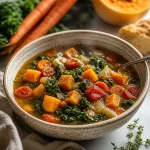
Warm and comforting, this Harvest Vegetable Soup is packed with nourishing vegetables, herbs, and spices, perfect for cozy fall nights.
- Prep Time: 15 minutes
- Cook Time: 30 minutes
- Total Time: 45 minutes
- Yield: 4 servings 1x
- Category: Soup
- Method: Simmering
- Cuisine: American
- Diet: Vegetarian
Ingredients
- 1 squash (butternut or acorn)
- 2 carrots, chopped
- 2 cups kale, chopped
- 1 can diced tomatoes (or fresh if in season)
- 4 cups vegetable broth
- 1 onion, chopped
- 3 cloves garlic, minced
- 2 tablespoons olive oil
- 1 teaspoon thyme
- 1 teaspoon rosemary
- 1 bay leaf
- Salt and pepper to taste
Instructions
- Prep the vegetables by washing and chopping the squash, carrots, and onion, and roughly chopping the kale.
- Heat olive oil in a large pot over medium heat, then sauté onions until soft, about 5 minutes.
- Add minced garlic and sauté for 30 seconds until fragrant.
- Incorporate the carrots and sauté for another 3-4 minutes.
- Stir in the squash and season with salt and pepper.
- Pour in the vegetable broth and add the diced tomatoes; bring to a gentle boil.
- Reduce heat to a simmer and add kale, thyme, rosemary, and bay leaf; simmer for 20-25 minutes.
- Taste and adjust seasoning before serving. Remove bay leaf.
- Serve hot, garnished with olive oil or fresh herbs.
Notes
This soup can be frozen for up to 3 months. Great with crusty bread or a light salad.
Nutrition
- Serving Size: 1 serving
- Calories: 250
- Sugar: 7g
- Sodium: 600mg
- Fat: 8g
- Saturated Fat: 1g
- Unsaturated Fat: 6g
- Trans Fat: 0g
- Carbohydrates: 38g
- Fiber: 6g
- Protein: 8g
- Cholesterol: 0mg
Keywords: vegetable soup, comfort food, healthy soup, fall recipes
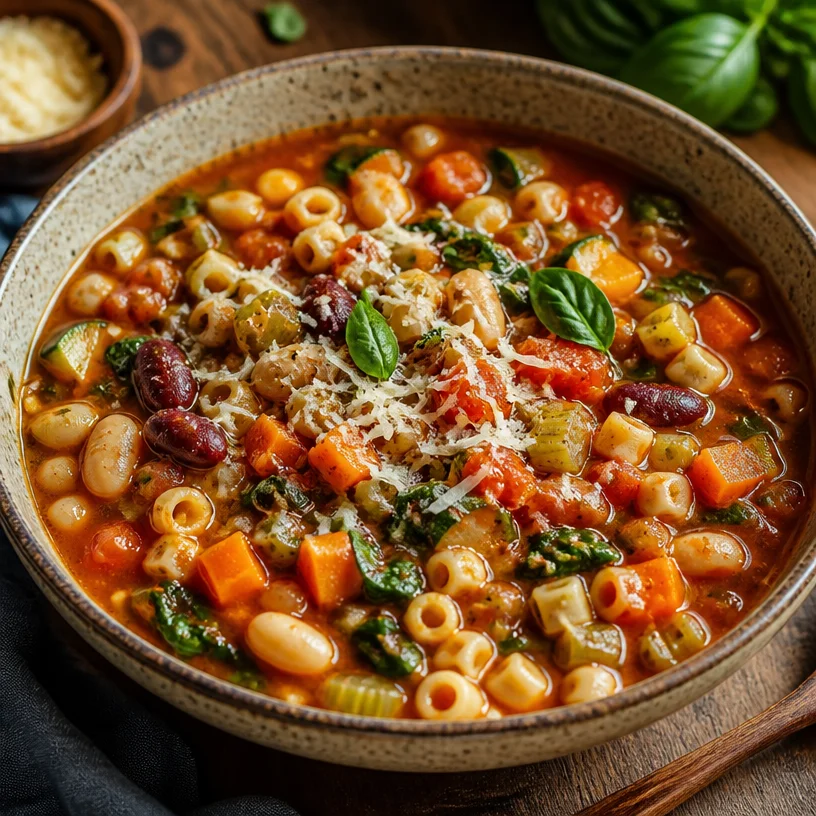
Minestrone
A Hearty Bowl of Comfort: The Ultimate Minestrone Recipe
Welcome to Clean Plate Cravings! Today, we’re diving into a delightful classic that warms the soul and fills the belly—minestrone soup. This isn’t just any bowl of soup; it’s a vibrant, chunky, and incredibly satisfying medley of flavors that not only keeps you cozy but also nourishes you with wholesome ingredients. One whiff of this simmering goodness and you’ll feel like you’ve been wrapped in a warm hug on a chilly day.
Minestrone is the perfect dish for those moments when you’re craving comfort but want something healthy and filling. With its roots in Italian cuisine, this substantial soup is an inviting swirl of fresh vegetables, beans, and pasta, each ingredient telling its own delightful story. Fast, flexible, and downright delicious, minestrone is just as much about the journey of cooking as it is about the final result in your bowl.
As you get ready to cook up this delicious masterpiece, let’s roll up our sleeves and explore the heartwarming tale of how a simple bowl of minestrone is not just food, but a vessel for camaraderie, memories, and a zest for life.
A Culinary Memory: My First Taste of Minestrone
Growing up, Sundays were reserved for family and food—and boy, did we feast! My grandmother, a fierce Italian matriarch, would spend hours in her cozy kitchen, stirring up pots of minestrone that could comfort even the weariest of souls. The aroma would spread through the house like a warm embrace, inviting everyone to gather around the table.
I remember the vibrant colors of fresh vegetables she would chop—green beans, carrots, and the occasional zucchini. But it wasn’t just about the beautiful ingredients or her perfectly executed technique. It was the stories we shared over that meal: stories of our family history, childhood shenanigans, and dreams for the future. Each bowl of minestrone was an offering of love and laughter, served alongside crusty bread, and of course, her infamous chocolate cake for dessert.
That first taste was pure magic—each spoonful packed with flavor, warmth, and a sprinkle of nostalgia. Little did I know back then that I would grow up to share my own version of this recipe, carrying forward those beautiful memories while adding my personal twist. So, let’s whip up a batch of my cherished minestrone soup, bringing people together over a wholesome and delicious dish!
Ingredients
Let’s gather our ingredients and embrace the hearty goodness of minestrone. Here’s what you’ll need to whip up your own comforting bowl:
-
Beans (Cannellini or Kidney Beans)
- These creamy legumes are the protein-packed stars of the show. They add texture and heartiness. If you’re not a fan of canned beans, you can soak and cook dried beans beforehand. For a swap, try using lentils or chickpeas!
-
Pasta (Ditalini, or any small variety)
- Short and sturdy, these tiny pasta pieces are perfect for scooping up soup with your spoon. You can swap this with gluten-free pasta or even quinoa for a twist. Just remember to adjust cooking times accordingly!
-
Tomatoes (Canned diced or crushed)
- The base of your soup’s rich flavor. I prefer using canned tomatoes for that deep, roasted taste, but fresh tomatoes can work beautifully too. For those avoiding nightshades, try using pureed carrots or pumpkin for a unique twist!
-
Vegetables (Carrots, Celery, Zucchini, Spinach, etc.)
- The backbone of your minestrone! Any combination of seasonal veggies works here—get creative! If you’re missing an ingredient, feel free to substitute with whatever you have in the fridge. Squash, kale, or even some leftover roasted veggies would be right at home here.
-
Olive Oil, Garlic, and Onion
- The Holy Trinity of flavor! These add depth and aroma that will make your kitchen smell divine. Don’t skimp on them! If you’re in a pinch, aromatics like shallots or leeks could substitute well.
-
Vegetable Broth
- A must for that rich, savory base! Make your own or use store-bought. Choose low-sodium to control the saltiness of the final dish, or try a homemade mushroom broth for a deeper, earthier flavor.
-
Herbs (Basil, Thyme, Parsley)
- Fresh herbs elevate any dish. They add bright flavors and freshness. If you only have dried herbs, adjust the quantity to about one-third of what you’d use fresh.
Step-by-Step Instructions
Are you ready to bring this minestrone soup to life? Let’s get cooking!
-
Prep Your Ingredients:
- Start by washing and chopping all your veggies into bite-sized pieces. This not only speeds up the cooking process but also creates an aesthetically pleasing dish. Pro Tip: When chopping, put on some music or a podcast; it makes the prep work feel less like a chore!
-
Sauté Aromatics:
- In a large pot, heat a couple of tablespoons of olive oil over medium heat. Toss in chopped onions and minced garlic. Stir frequently and let them sweat it out for about 5 minutes until they become translucent and fragrant. Here’s a fun chef hack: If you want a deeper garlic flavor, add it towards the end of the sautéing process!
-
Add the Vegetables:
- Next, add your chopped carrots, celery, and zucchini. Sauté these beauties for about 5 to 7 minutes until slightly softened. You want them to maintain some crunch for texture—nobody likes mushy veggies!
-
Mix in the Beans and Tomatoes:
- Toss in your beans and canned tomatoes along with a splash of their juice. Stir everything together and let it dance for a minute, coating the veggies in that rich tomato goodness. If you have leftover roasted vegetables from dinner, now’s the time to throw them in!
-
Pour the Broth:
- Add about 4 to 6 cups of vegetable broth, depending on how thick or soupy you like your minestrone. Bring to a rapid simmer! The exciting bubbling will help meld the flavors together. Tip: If you like a bit of heat, add a pinch of red pepper flakes now!
-
Season and Simmer:
- Season your soup generously with salt, pepper, and herbs. Let it simmer for about 20-30 minutes, uncovered, allowing those flavors to develop beautifully. Stir occasionally and get ready for the aroma to whisk you away! Remember, tasting is key. Adjust seasoning as needed.
-
Cook the Pasta:
- While your soup simmers, boil a small pot of salted water for the pasta. Cook it al dente according to the package instructions. If you’re making this soup ahead of time, consider cooking the pasta separately and adding it when you reheat to prevent it from getting mushy.
-
Add Greens:
- Finally, stir in the spinach (or kale) a few minutes before serving. Let it wilt down in the hot broth—this not only adds color but also gives a nutritional boost.
-
Serve and Enjoy:
- Serve hot with a sprinkle of fresh parsley and a drizzle of olive oil. Pair it with crusty bread or a simple green salad for a complete meal. If you’re feeling fancy, a sprinkle of grated Parmesan cheese on top is always a warm welcome!
Serving Suggestions
When it comes to serving minestrone, presentation can elevate the experience. Ladle the soup into warm bowls, and for a little extra pop, chop fresh basil or parsley to sprinkle on top. A drizzle of high-quality olive oil or a sprinkle of Parmesan adds a touch of elegance! Pair this gorgeous bowl with some crusty sourdough bread or a fresh green salad for a delightful meal.
Recipe Variations
Here are some fun twists to make your minestrone even more exciting!
-
Pesto Twist: Stir in a couple of tablespoons of pesto just before serving for an herbaceous kick.
-
Spicy Kick: Add diced jalapeños or crushed red pepper flakes for a spicy version that will warm your soul!
-
Protein Boost: Mix in some shredded rotisserie chicken or Italian sausage for an added protein punch.
-
Savory Mushroom: Swap half of the broth with mushroom broth for an earthy, robust flavor.
-
Creamy Delight: Stir in a splash of coconut milk for a creamy, dairy-free option, perfect for a different flavor profile!
Chef’s Notes
Minestrone is a dish that has come a long way since my grandmother’s kitchen. Over the years, I’ve learned to embrace seasonal veggies and local ingredients. I love experimenting with flavors from different cuisines that inspire me. Remember, recipes are starting points—feel free to improvise and make it your own. And let’s be real—cooking sometimes leads to kitchen blunders too! One time, I may have accidentally grabbed the cayenne instead of black pepper. Let’s say we had a “fiery” soup that evening.
Embrace the joy of cooking, the laughter of family, and the endless possibilities waiting for you with every pot of minestrone!
FAQs and Troubleshooting
Q: Why is my minestrone soup too salty?
- If the soup becomes too salty, add a peeled potato to the pot while it simmers. The potato will absorb excess salt. Remove it before serving!
Q: Can I freeze minestrone soup?
- Absolutely! Just make sure to undercook the pasta slightly as it will continue to cook when reheated. Freeze in airtight containers, and it will keep for up to 3 months.
Q: How can I make this recipe vegan?
- This minestrone is naturally vegan! Just ensure your vegetable broth is free from any animal products.
Q: Can I add other vegetables?
- Yes! This is the beauty of minestrone—you can use whatever veggies are in season or leftover in your fridge. Broccoli, bell peppers, or peas are great additions!
Nutritional Info (Optional)
While each ingredient is packed with nourishment, a typical serving of minestrone contains a balance of protein, fiber, vitamins, and minerals, making it a wholesome meal option.
Remember, eating should be enjoyable, never restrictive—but with a little creativity and a dash of love, you can maintain balance while savoring every bite! So, gather your ingredients, channel your inner chef, and let the magic of minestrone transform your kitchen into a place of comfort and joy. Happy cooking!
PrintThe Ultimate Minestrone Recipe

A vibrant, chunky, and comforting Italian minestrone soup filled with fresh vegetables, beans, and pasta.
- Prep Time: 15 minutes
- Cook Time: 30 minutes
- Total Time: 45 minutes
- Yield: 4 servings 1x
- Category: Soup
- Method: Simmering
- Cuisine: Italian
- Diet: Vegan
Ingredients
- 2 cups Beans (Cannellini or Kidney Beans)
- 1 cup Pasta (Ditalini or any small variety)
- 2 cups Tomatoes (Canned diced or crushed)
- 2 cups Vegetables (Carrots, Celery, Zucchini, Spinach, etc.)
- 2 tablespoons Olive Oil
- 3 cloves Garlic, minced
- 1 Onion, chopped
- 4–6 cups Vegetable Broth
- Fresh Herbs (Basil, Thyme, Parsley)
Instructions
- Prep your ingredients: Wash and chop all veggies into bite-sized pieces.
- Sauté aromatics: Heat olive oil in a large pot and add onions and garlic, cooking until translucent.
- Add the vegetables: Toss in carrots, celery, and zucchini; sauté for 5-7 minutes.
- Mix in the beans and tomatoes with a splash of juice.
- Pour the broth in and bring to a rapid simmer.
- Season and let it simmer for 20-30 minutes, stirring occasionally.
- Cook the pasta in a separate pot according to package instructions.
- Add greens: Stir in spinach a few minutes before serving.
- Serve hot with fresh parsley and a drizzle of olive oil.
Notes
Feel free to improvise with seasonal veggies and different herbs. Enjoy with crusty bread or a salad.
Nutrition
- Serving Size: 1 serving
- Calories: 300
- Sugar: 5g
- Sodium: 800mg
- Fat: 10g
- Saturated Fat: 1g
- Unsaturated Fat: 7g
- Trans Fat: 0g
- Carbohydrates: 45g
- Fiber: 10g
- Protein: 12g
- Cholesterol: 0mg
Keywords: minestrone, soup, healthy comfort food, Italian soup, vegan recipe
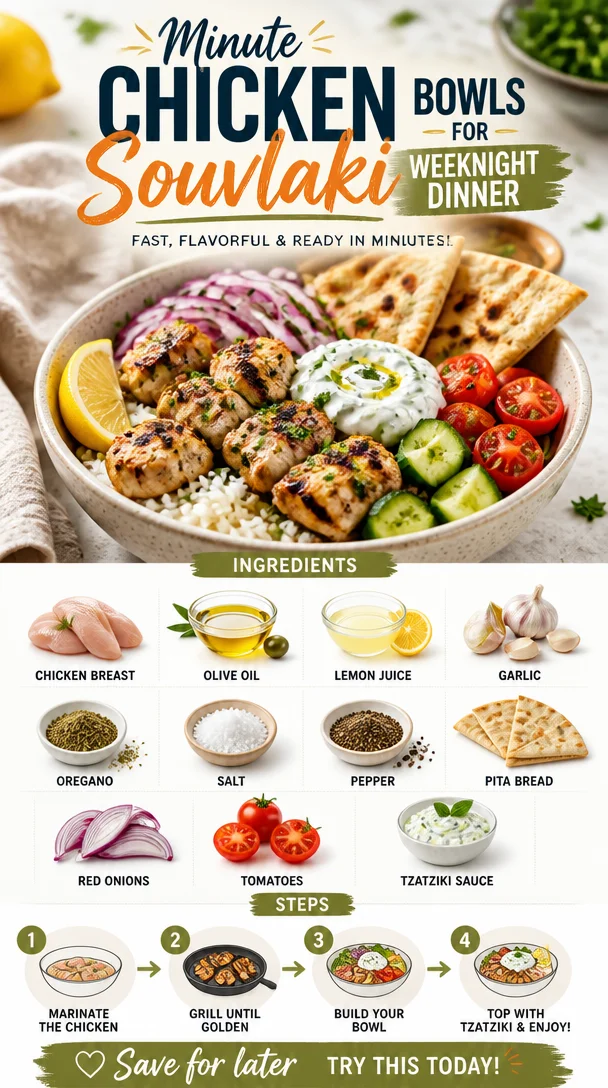
Minute Chicken Souvlaki Bowls for Weeknight Dinner
Chicken Souvlaki: A Flavorful Journey to the Mediterranean
Welcome, food lovers! Today, we’re venturing into the vibrant world of Mediterranean cuisine with a mouthwatering recipe for Chicken Souvlaki. Trust me; once you get a taste of this dish, it’ll become a staple in your kitchen. Imagine juicy chicken marinated in a zesty blend of lemon and herbs, grilled to perfection, and served with warm pita, crisp veggies, and luscious tzatziki. It’s fresh, it’s flavorful, and it’s downright delicious!
Why Chicken Souvlaki? Well, this dish is more than just food; it’s a culinary experience that takes you straight to the sun-kissed shores of Greece. Beyond that, it perfectly embodies my philosophy that eating clean doesn’t need to be complicated or bland. If you’ve been on the lookout for something that hits all the right notes—comforting yet invigorating, simple yet impressive—you’re in the right place.
There’s a unique joy in preparing souvlaki. Picture yourself hosting a gathering, the scent of grilled chicken filling the air, laughter echoing around the table—it’s an invitation to savor not just a meal but a moment. Plus, it’s a breeze to whip up even during your busiest days! Join me as I guide you through every step, including those chef tips and tricks that will leave your loved ones raving about your newfound skills. Ready to dive in? Let’s go!
A Nostalgic Memory with Souvlaki
Growing up, my family didn’t often dine out; instead, we created our own little world in the kitchen. One summer evening, I remember we decided to host a backyard barbecue that would transform our humble home into a Mediterranean haven. My dad, who’s known for his grilling prowess, chose chicken souvlaki as the star of the show. He marinated the chicken overnight, and as it grilled, the delightful aroma wafted through our neighborhood—I’m pretty sure our neighbors were secretly jealous!
My job was to prepare the sides. I chopped fresh veggies, mashed garlic for the tzatziki, and laughed with my siblings as we watched our dad flip the chicken skewers, charred to perfection. That evening, surrounded by family, friends, and delicious food, I learned the joyous power of shared meals. My love for cooking was born that night, sparked by the simple act of grilling chicken and blending flavors. Since then, Chicken Souvlaki has been a beloved family tradition, a dish that brings us together, no matter how far life takes us.
Ingredients for Chicken Souvlaki
Gathering quality ingredients is a crucial part of creating mouthwatering chicken souvlaki. Here’s what you need:
-
Chicken Breast: Skinless, boneless chicken breast is lean and cooks beautifully on the grill. If you prefer dark meat, boneless thighs work well too!
-
Olive Oil: Extra virgin olive oil adds richness and helps lock in flavor. It’s also heart-healthy! In a pinch, avocado oil is a great alternative.
-
Lemon Juice: Freshly squeezed lemon juice brightens up the dish and tenderizes the chicken. Bottled lemon juice could work, but fresh is best for flavor.
-
Garlic: Fresh garlic adds aromatic depth. If you’re in a hurry, pre-minced garlic can be used, though it lacks that punch!
-
Oregano: This herb is a Mediterranean superstar! Dried oregano is perfect for marinades, but if you can get your hands on fresh, definitely use that for a more vibrant flavor.
-
Salt and Pepper: Simple seasonings that enhance the natural flavors of the chicken. Feel free to experiment with flavored salts or freshly cracked black pepper for a twist.
-
Pita Bread: Soft, warm pita is the traditional wrap. You can substitute with flatbreads or even collard greens for a low-carb option.
-
Red Onions & Tomatoes: Fresh veggies add crunch and freshness. Customize with other favorites, like cucumbers or bell peppers!
-
Tzatziki Sauce: This creamy yogurt sauce is a must! You can buy it pre-made for convenience, or try making your own with Greek yogurt, cucumber, garlic, and dill for something truly special.
Step-by-Step Instructions
It’s time to cook, friends! Follow these simple steps to create your own Chicken Souvlaki masterpiece.
-
Marinate the Chicken: In a bowl, combine 2 pounds of cubed chicken breast with ½ cup olive oil, ¼ cup fresh lemon juice, 4 minced garlic cloves, 2 teaspoons dried oregano, 1 teaspoon salt, and ½ teaspoon pepper. Mix everything to coat the chicken well. Cover the bowl and let it marinate in the fridge for at least 30 minutes, or even overnight if you have the time. Chef’s Tip: The longer it marinates, the more flavorful it becomes!
-
Preheat the Grill: Get your grill ready! Preheat it to medium-high heat for at least 10-15 minutes. If you’re using skewers, soak them in water if they’re wooden to prevent burning. Chef Hack: If grilling indoors, a grill pan works beautifully!
-
Skewer the Chicken: Once marinated, thread the chicken onto skewers. Leave a little space between each piece to ensure even cooking. Note: If you’re using vegetables, feel free to incorporate some red onion or bell pepper between the chicken pieces for a colorful, flavor-packed skewer!
-
Grill the Chicken: Place the skewers on the hot grill. Cook for about 10-12 minutes, turning them halfway through, until the chicken is cooked through (internal temperature should reach 165°F). Tip: Avoid pressing down on the chicken while grilling; this releases juices that keep it moist!
-
Warm the Pitas: While the chicken grills, wrap your pita bread in aluminum foil and place it on the grill for the last 2-3 minutes to warm up. You can also use indirect heat on the grill or even a toaster oven!
-
Prepare Tzatziki: If you’re making homemade tzatziki, mix 1 cup of Greek yogurt, ½ grated cucumber (squeezed of excess water), 1 minced garlic clove, 1 tablespoon chopped fresh dill (or 1 teaspoon dried), a squeeze of lemon, and salt to taste in a bowl.
-
Assemble Your Dish: Remove the chicken skewers from the grill. Carefully take each piece off the skewer, then layer them on the warm pita and top with sliced red onions, diced tomatoes, and generous dollops of tzatziki. Optional: Create a little salad on the side with cucumbers and lettuce for extra crunch!
Serving Suggestions
Presentation is key! Serve your Chicken Souvlaki wrapped in warm pita on a colorful plate with fresh veggies and tzatziki served on the side for dipping. If you’re feeling fancy, garnish with a sprig of dill or parsley. Pair it with a light salad dressed with olive oil and lemon to complete the meal. This delightful platter will not only be a feast for the taste buds but also a treat for the eyes!
Recipe Variations
Chicken Souvlaki is incredibly versatile! Here are some delicious variations to keep things interesting:
-
Shrimp Souvlaki: Swap chicken for shrimp! Just adjust the cooking time since shrimp cooks faster.
-
Vegetarian Option: Use marinated tofu, seitan, or your favorite hearty vegetables, like zucchini and bell peppers, for a scrumptious vegetarian souvlaki.
-
Herb Variations: Explore different herbs! Try adding fresh mint or parsley to your marinade for a unique flavor twist.
-
Spicy Kick: Add a pinch of red pepper flakes or a splash of your favorite hot sauce to the marinade for an extra zing!
-
Mediterranean Bowl: Instead of pitas, serve the marinated chicken over rice or quinoa, topped with veggies and tzatziki for a satisfying grain bowl.
Chef’s Notes
Every chef has those kitchen adventures that become cherished stories, and mine involves a delightful disaster! One day, in my excitement to impress friends, I thought I could multitask and marinate the chicken while whipping up a batch of homemade tzatziki. The tzatziki turned out fine, but I forgot about the chicken sitting on the counter! Let’s just say, I learned the hard way to either set a timer or keep a close eye on the marinating process. But in retrospect, it turned into a funny memory, and everyone at the table enjoyed a good laugh, squished pita sandwiches and all!
Chicken Souvlaki holds a special place in my heart, evolving over time from a simple family recipe to something even more dynamic; adding herbs, tweaking spices, and even changing up the sides keep it exciting. I think that’s the beauty of cooking—creating your own twist on cherished dishes.
FAQs and Troubleshooting
-
Can I use chicken thighs instead of breast? Absolutely! Chicken thighs are juicy and delicious and can give your souvlaki an even richer flavor.
-
How do I know when the chicken is done? The best way to ensure your chicken is fully cooked is to use a meat thermometer. Aim for an internal temperature of 165°F.
-
What if my chicken is dry? A few reasons could lead to dry chicken. Overcooking can cause it to dry out, so take it off the grill once it reaches temp. Additionally, let your chicken rest for a few minutes after grilling; this helps retain juices!
-
Can I make the marinade ahead of time? Yes! You can prepare the marinade up to 24 hours in advance. Just make sure to store it in an airtight container in the fridge until you’re ready to add it to the chicken.
Nutritional Info
While I typically focus on flavor, let’s not forget about nutrition! A serving of Chicken Souvlaki typically includes lean protein from the chicken and healthy fats from the olive oil, making it a balanced choice for any meal. The veggies add fiber and vitamins, and the yogurt in tzatziki provides probiotics—just the right boost for your health!
Now, let’s bring this Chicken Souvlaki recipe into your kitchen! Get ready to enjoy Mediterranean flavors that will not only satisfy your cravings but nourish your body. Invite a friend over, put on some music, and savor each delicious bite together. Happy cooking!
PrintChicken Souvlaki
A delicious Mediterranean dish featuring juicy chicken marinated in lemon and herbs, grilled to perfection, served in warm pita with fresh veggies and tzatziki.
- Prep Time: 30 minutes
- Cook Time: 15 minutes
- Total Time: 45 minutes
- Yield: 4 servings 1x
- Category: Main Course
- Method: Grilling
- Cuisine: Mediterranean
- Diet: Paleo
Ingredients
- 2 pounds skinless boneless chicken breast, cubed
- ½ cup extra virgin olive oil
- ¼ cup freshly squeezed lemon juice
- 4 cloves fresh garlic, minced
- 2 teaspoons dried oregano
- 1 teaspoon salt
- ½ teaspoon pepper
- Pita bread or flatbreads
- Red onions and tomatoes, for serving
- Tzatziki sauce, for serving
Instructions
- Marinate the chicken by combining cubed chicken breast, olive oil, lemon juice, garlic, oregano, salt, and pepper in a bowl. Mix and let it marinate in the fridge for at least 30 minutes.
- Preheat the grill to medium-high heat for 10-15 minutes.
- Skewer the marinated chicken onto skewers with space between each piece.
- Grill the skewers for 10-12 minutes, turning halfway, until the chicken reaches an internal temperature of 165°F.
- Warm the pita bread on the grill for the last 2-3 minutes.
- Prepare the tzatziki if making homemade by mixing Greek yogurt, grated cucumber, minced garlic, dill, lemon juice, and salt.
- Assemble the dish by removing chicken from skewers, placing it on warm pita, and topping with onions, tomatoes, and tzatziki.
Notes
For extra flavor, add grilled vegetables to the skewers or serve with a light salad dressed with olive oil and lemon.
Nutrition
- Serving Size: 1 serving
- Calories: 380
- Sugar: 2g
- Sodium: 450mg
- Fat: 22g
- Saturated Fat: 3g
- Unsaturated Fat: 19g
- Trans Fat: 0g
- Carbohydrates: 20g
- Fiber: 3g
- Protein: 30g
- Cholesterol: 70mg
Keywords: Chicken, Souvlaki, Mediterranean, Grilled Chicken, Healthy Recipe
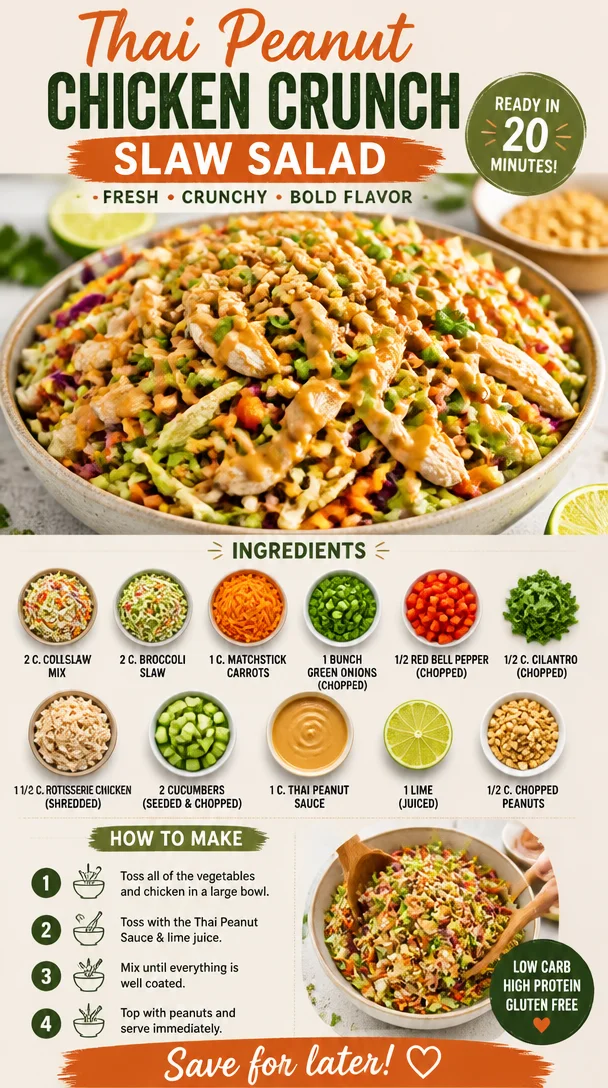
Thai Peanut Chicken Crunch Slaw Salad
Thai Peanut Chicken Crunch Slaw Salad: A Fresh and Flavorful Feast
Introduction
Hey there, food lovers! Today, we’re diving into a dish that’s as colorful as it is delicious: Thai Peanut Chicken Crunch Slaw Salad. If you’re like me and believe that salads should be exciting and satisfying, then you’re in for a treat. This salad is a vibrant festival of flavors and textures, guaranteed to tickle your taste buds while leaving you feeling fresh and energized.
Now, let’s be real: how many times have you been stuck at a boring old salad bar, feeling uninspired by limp greens and a drizzle of bland dressing? Blech! That’s not how we do things around here. Cooking should be fun, and salads should be more than just rabbit food. That’s where my Thai Peanut Chicken Crunch Slaw Salad comes in: it’s crunchy, creamy, tangy, and oh-so-delicious!
Imagine this: fresh, crisp veggies mingled with tender, juicy chicken all coated in a luscious peanut sauce that’s bursting with flavor. Plus, it’s super easy to whip up, so you can enjoy it on busy nights or impress that special someone at your next dinner party. Let’s unpack the magic of this salad and create something extraordinary together!
Personal Story
Let me take you down memory lane for a moment. Growing up, my family and I would visit a little Thai restaurant that was tucked away in our neighborhood. It was one of those hidden gems where the flavors were as vibrant as the decor. I still remember the aroma that greeted us as we stepped inside, a delightful blend of spices that felt like a warm hug.
One summer evening, I decided to test my culinary skills by trying to recreate one of their most popular dishes: a spicy peanut chicken salad. I had no idea what I was doing, but the whole process felt like an adventure! I chopped away at those veggies like a pro (or at least I thought so) and mixed my ingredients with abandon, all the while imagining the smiles on my family’s faces when they tasted it.
The end result was deliciously satisfying—a chaotic, colorful bowl of goodness that elicited happy sighs all around. It quickly became a family favorite, and soon enough, I was experimenting with even more vibrant ingredients and flavors. It was that evening that sparked my passion for bringing fresh, fun recipes to the world. Fast forward to today, and now I’m excited to share one of my all-time favorites with you: the Thai Peanut Chicken Crunch Slaw Salad!
Ingredients
Here’s what you’ll need to create this mouthwatering dish:
-
2 cups coleslaw mix: A crunchy base that adds great texture. You can substitute with shredded cabbage if you’re in a pinch!
-
2 cups broccoli slaw: Packed with nutrients and a bit more crunch. If you can’t find this, a julienned carrot or bell pepper works well too.
-
1 cup matchstick carrots: For added color and sweetness. Shredded carrots can be used as a quick substitute.
-
1 bunch green onions (chopped): Adds a fresh, mild onion flavor. Feel free to swap for shallots if you like a bolder bite.
-
1/2 red bell pepper (chopped): Sweet and crunchy. Any color bell pepper can work here—get creative!
-
1/2 cup cilantro (chopped): Freshness overload! If cilantro isn’t your thing, fresh parsley or mint could also be delightful.
-
1 1/2 cups rotisserie chicken (shredded): Perfect for saving time and adding flavor. You can also use grilled chicken for a smoky touch.
-
2 cucumbers (seeded & chopped): Refreshing and hydrating! You can replace them with zucchini for a fun twist.
-
1 cup Thai peanut sauce: The star of the show! If you’re up for it, making your own sauce is a cinch, and I can share a quick recipe if you’d like!
-
1 lime (juiced): Brightens everything up! Lemon adds a similar zing if you don’t have lime on hand.
-
1/2 cup chopped peanuts: For that satisfying crunch. Feel free to substitute with sunflower seeds or almonds if you want to mix it up.
Step-by-Step Instructions
Let’s get cooking! Follow these easy steps to make your Thai Peanut Chicken Crunch Slaw Salad.
-
Prepare the Veggies: Start by rinsing and chopping all your veggies. Get them looking as vibrant as possible—your salad should be a feast for the eyes! Take a moment to admire that rainbow of colors in your bowl. Pro tip: a sharp knife will make chopping a breeze and keep all those beautiful colors intact.
-
Shred the Chicken: If you’re using a rotisserie chicken, shred it into bite-sized pieces. It should be tender and juicy, ready to mingle with those veggies. If you want to add an extra layer of flavor, toss the chicken in a bit of the peanut sauce before adding it to the salad. Trust me, this little hack elevates the dish!
-
Mixing it Up: In a large mixing bowl, combine the coleslaw mix, broccoli slaw, matchstick carrots, green onions, red bell pepper, cilantro, cucumbers, and chicken. Gently toss everything together, ensuring a lovely blend of colors and textures. Don’t worry if it looks a little chaotic; that’s the beauty of a good slaw!
-
Drizzle the Dressing: Time to add the star—a generous drizzle of that creamy Thai peanut sauce! Now, this is where you can really customize it to your taste; start with about 3/4 of a cup and add more if you like it extra saucy. Toss again until everything is nicely coated.
-
The Citrus Kick: Squeeze the lime juice over the salad and toss once more. The lime adds a zing that cuts through the richness of the peanut sauce, taking your salad to the next level.
-
Nuts About It: Finish off with the chopped peanuts. You can either sprinkle them on top for a beautiful presentation or mix them right in for an all-around crunch.
Serving Suggestions
Time to dig in! Serve your Thai Peanut Chicken Crunch Slaw Salad in a large bowl for a family-style meal or plate it individually for a more elegant touch. Dress it up with additional peanuts or cilantro on top for that extra pop. This salad thrives as a light lunch or a delightful side dish at dinner—and it pairs beautifully with grilled shrimp or fish!
Recipe Variations
Feeling adventurous? Here are some fun twists on this recipe to keep things interesting:
-
Spicy Kick: Add sliced jalapeños or a dash of sriracha to the peanut sauce for a spicy kick that will wake up your taste buds!
-
Protein Packed: Swap out the chicken for cooked tofu or chickpeas if you want to make a vegetarian or vegan version.
-
Sweet Surprise: Toss in some diced mango or pineapple for a touch of sweetness that pairs wonderfully with the savory peanut sauce.
-
Herb Swap: Experiment with different herbs. Mint, basil, or even dill can add a completely different flavor profile to your salad.
-
Grain Add-In: For extra heartiness, serve your salad on a bed of quinoa or add cooked rice noodles for a filling, complete meal.
Chef’s Notes
Over the years, this salad has become a staple in my kitchen! I love how versatile it is—you can honestly throw in whatever you have in the fridge! There was one time I decided to clean out my pantry and found some neglected bell peppers and a bit of cabbage. I tossed it all together, and that version ended up being a huge hit among my friends at a potluck!
And let’s be honest, the fun of cooking is trying new things, right? So don’t shy away from experimenting. Who knows what delicious combinations you’ll come up with?
FAQs and Troubleshooting
Q: Can I prepare this salad in advance?
A: Absolutely! You can pre-cut the veggies and store them in the fridge. However, I’d recommend waiting to dress the salad until just before serving to keep everything crunchy.
Q: How do I store leftovers?
A: Store any leftovers in an airtight container in the fridge for up to 2-3 days. The peanuts may lose some crunch, but the flavors will still be fantastic!
Q: What if I can’t find rotisserie chicken?
A: No worries! You can easily cook and shred your own chicken at home, or use any leftover protein you have on hand.
Q: Can I use bottled peanut sauce?
A: Sure thing! Just choose a good-quality peanut sauce that you love. You’ll enjoy a shortcut without sacrificing flavor.
Nutritional Info
This Thai Peanut Chicken Crunch Slaw Salad is not only delicious but also packed with nutrients:
- Calories: Approximately 400 per serving (depending on portion sizes and dressing usage)
- Protein: A good source of protein from the chicken and peanuts
- Fiber: The veggies provide a nice boost of fiber, keeping you full and satisfied
- Vitamins: Rich in vitamins A, C, and K from all the fresh produce
So, there you have it! A fresh, flavorful Thai Peanut Chicken Crunch Slaw Salad that’s bursting with color and nutrition. No matter the occasion, I hope you give this recipe a try and make it your own! Remember, good food should be fun—so grab your whisk, put on your favorite tunes, and let’s cook up some love! Happy eating!
PrintThai Peanut Chicken Crunch Slaw Salad
A vibrant and flavorful salad featuring crunchy veggies and juicy chicken, all coated in a luscious peanut sauce.
- Prep Time: 15 minutes
- Cook Time: 15 minutes
- Total Time: 30 minutes
- Yield: 4 servings 1x
- Category: Salad
- Method: Mixing
- Cuisine: Thai
- Diet: Gluten-Free
Ingredients
- 2 cups coleslaw mix
- 2 cups broccoli slaw
- 1 cup matchstick carrots
- 1 bunch green onions (chopped)
- 1/2 red bell pepper (chopped)
- 1/2 cup cilantro (chopped)
- 1 1/2 cups rotisserie chicken (shredded)
- 2 cucumbers (seeded & chopped)
- 1 cup Thai peanut sauce
- 1 lime (juiced)
- 1/2 cup chopped peanuts
Instructions
- Prepare the Veggies: Start by rinsing and chopping all your veggies.
- Shred the Chicken: If you’re using a rotisserie chicken, shred it into bite-sized pieces.
- Mixing it Up: In a large mixing bowl, combine the coleslaw mix, broccoli slaw, matchstick carrots, green onions, red bell pepper, cilantro, cucumbers, and chicken.
- Drizzle the Dressing: Add the creamy Thai peanut sauce and toss to coat.
- The Citrus Kick: Squeeze lime juice over the salad and toss.
- Nuts About It: Finish off with chopped peanuts sprinkled on top.
Notes
This salad is versatile; feel free to add other vegetables or proteins based on your preference.
Nutrition
- Serving Size: 1 serving
- Calories: 400
- Sugar: 6g
- Sodium: 500mg
- Fat: 20g
- Saturated Fat: 3g
- Unsaturated Fat: 15g
- Trans Fat: 0g
- Carbohydrates: 30g
- Fiber: 5g
- Protein: 25g
- Cholesterol: 60mg
Keywords: salad, Thai, chicken salad, healthy, quick recipe, peanut sauce
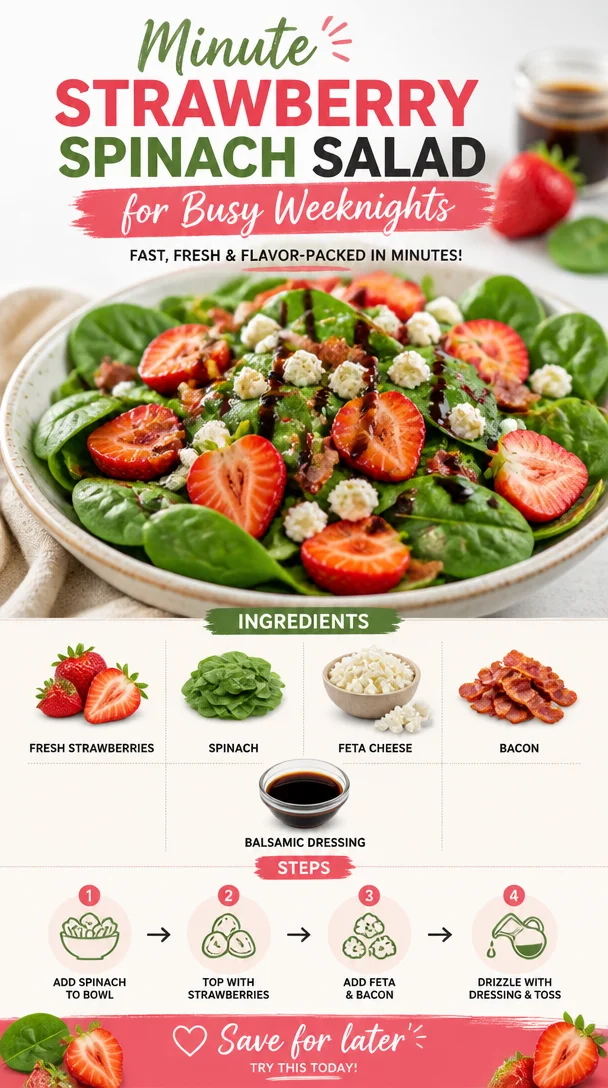
Minute Strawberry Spinach Salad for Busy Weeknights
Fresh, Irresistible Strawberry Spinach Salad: A Love Letter to Summer Flavors
Welcome to another culinary adventure with Clean Plate Cravings! Today, I’m excited to share a dish that epitomizes freshness and vibrance: the Strawberry Spinach Salad. This isn’t just any salad; it’s a symphony of flavors bursting with the goodness of ripe strawberries, crisp spinach, tangy feta cheese, crunchy bacon, and a luscious balsamic dressing. If you’re looking for a feel-good meal that sparks joy and nourishes your body, you’ve clicked on the right recipe!
But first, let’s talk about salads. They often get a bad rap for being boring or lacking personality, don’t you think? I mean, salads shouldn’t have to be mundane; they can be exciting, soon-to-be favorites that dance on your taste buds. When I think of summer, I think of long, lazy days, sunshine, and fresh produce that practically calls my name at the market. That’s how this beautiful Strawberry Spinach Salad came to life—a celebration of seasonal flavors that’ll keep you coming back for more.
Picture this: it’s a sunny afternoon, and the world outside is a cheerful tapestry of blooming flowers and buzzing bees. As I stroll through the farmers’ market, there’s something magical about being surrounded by vibrant colors and intoxicating aromas. The strawberries? They’re plump, juicy, and gleaming red, begging to be picked. The spinach? Dark green and crisp, ready to provide the perfect backdrop for this delightful salad. It was one of those moments that reminded me of childhood summers spent in my grandma’s garden, where the best meals came straight from the earth.
This salad combines the sweetness of strawberries, the earthiness of spinach, the creaminess of feta, and the savory crunch of bacon. Toss in a drizzle of balsamic dressing, and you’ve got a winning dish that’s as lovely to look at as it is delicious to eat. Whether you’re serving it alongside grilled chicken for dinner or enjoying it as a light lunch, this Strawberry Spinach Salad is sure to become a new staple in your culinary repertoire.
So, grab your apron and let’s dive into this refreshing recipe that’s perfect for brunch, picnics, or simply treating yourself to something delightful!
A Culinary Memory: Summer Orchard Pickings
Growing up, summers meant plenty of time spent outdoors, but nothing was more exhilarating than picking strawberries with my family. Imagine a warm day, the sun shining vibrant rays, and rows of strawberry plants stretching as far as the eye can see. With every ripe berry I plucked, there was a perfect fracture of sweetness, accompanied by a satisfying crunch. After our baskets were full, my mom would whip up her famous strawberry salad—her signature dish served at every family gathering.
The flavors of the salad remind me of those sunny afternoons spent with my family—the laughter, the sibling rivalries over who could pick the biggest berries, and the inevitable food fight that ensued when we got back home. We’d sit around the table, enjoying our colorful salad while sharing stories and building memories. Those moments of connection and joy are what I cherish most, and I hope that this Strawberry Spinach Salad brings a little bit of that magic into your kitchen too!
Ingredients
Here’s what you’ll need to create this vibrant Strawberry Spinach Salad:
-
Fresh Strawberries
- The star of the show! Look for strawberries that are bright red and fragrant. If fresh strawberries are unavailable, feel free to use frozen ones, but let them thaw first for the best flavor.
-
Spinach
- Baby spinach is my go-to, as it’s tender and mild. If spinach isn’t your thing, you can swap it for arugula or mixed greens for a peppery twist.
-
Feta Cheese
- Feta brings a wonderful creaminess and tang. You can substitute feta with goat cheese for a different flavor profile, or use a dairy-free feta if you’re keeping dairy out of your diet.
-
Bacon
- The crispy element that adds depth! For a healthier take, feel free to use turkey bacon or even leave it out entirely for a vegetarian version. Crunchy chickpeas make a great alternative if you’re looking for plant-based protein!
-
Balsamic Dressing
- A homemade balsamic dressing (combine balsamic vinegar, olive oil, honey, and a pinch of salt) elevates the salad. Store-bought dressings work in a pinch too; just make sure they’re high-quality for the best flavor.
Step-by-Step Instructions
-
Prepare the Ingredients
Start by washing the spinach thoroughly under cold water to remove any dirt or grit. Pat it dry with a paper towel or salad spinner. Fresh and clean spinach is key to a refreshing salad. While you’re at it, rinse the strawberries, hull them, and slice them into quarters or halves depending on their size. -
Cook the Bacon
In a skillet over medium heat, cook the bacon until it’s crispy. This usually takes about 6-8 minutes. Keep an eye on it to prevent burning! Once cooked, transfer the bacon to a plate lined with paper towels to absorb excess grease. Once cooled, crumble it into bite-sized pieces. Not only does bacon amp up the flavor, but the crunch is essential too! -
Make the Dressing
While the bacon is cooking, let’s whip up that balsamic dressing! In a small bowl, whisk together 3 tablespoons of balsamic vinegar, 1 tablespoon of honey (or maple syrup for a vegan option), and 3 tablespoons of extra virgin olive oil. Season with salt and pepper. Adjust the sweetness or acidity to your taste—remember, you’re the chef! -
Mix the Salad
In a large bowl, combine the fresh spinach and sliced strawberries. Sprinkle in the crumbled feta cheese and bacon. Drizzle the homemade dressing over the salad and toss gently using tongs or your hands (my favorite method for ensuring an even distribution). Pro tip: don’t dress the salad too far in advance—a fresh salad is always best! -
Serve the Salad
Transfer the tossed salad to a serving platter or individual bowls. For extra flair, consider garnishing with a few whole strawberries or additional feta crumbles. If you’re feeling fancy, sprinkle some nuts on top for a delightful crunch!
Serving Suggestions
This Strawberry Spinach Salad shines when plated beautifully. You can serve it as a side dish alongside grilled chicken or fish, or enjoy it as a vibrant main course. To elevate your presentation, consider using a mix of textured serving plates or bowls—the contrast will make your dish pop visually! Don’t forget to add some fresh mint leaves on top for a refreshing aroma.
Recipe Variations
Here are a few variations you can try to keep things exciting:
- Berry Medley: Incorporate other berries like blueberries or raspberries for a mixed berry salad.
- Avocado Boost: Add sliced avocados for a creamy texture and healthy fats.
- Citrus Twist: Toss in some orange segments for a sweet acidity that pairs perfectly with the strawberries.
- Nuts or Seeds: Include a handful of walnuts, pecans, or sunflower seeds for extra crunch and nutrition.
- Herbed Dressing: Try adding fresh herbs, such as basil or mint, to the dressing for an aromatic lift.
Chef’s Notes
This Strawberry Spinach Salad has been a staple in my home and evolves with the seasons. When strawberries are out of season, I switch things up. In the fall, I replace strawberries with apples or pears, and in the winter, I’ll toss in some roasted butternut squash. Each variation has its own charm, but the essence of enjoying fresh produce remains the same. Creating this salad has become an annual tradition in my household, and I love how it sparks conversations and memories just like in my childhood.
FAQs and Troubleshooting
Q: Can I make this salad ahead of time?
A: While the salad can be prepped ahead, I recommend waiting to dress it until just before serving. This will keep the spinach fresh and crispy.
Q: What should I do if my bacon is too greasy?
A: If your bacon has rendered too much grease, simply drain it on a paper towel. This will help soak up any excess fat, leaving you with crispy bites.
Q: How do I store leftover salad?
A: Store any leftovers in an airtight container in the refrigerator for up to a day. However, be aware that the spinach might wilt. For best results, keep the dressing separate and add it right before eating.
Q: Can this salad be made vegan?
A: Absolutely! Omit the bacon and feta, and substitute with avocado and chickpeas for protein. Use a plant-based dressing or a simple olive oil and vinegar blend instead.
Nutritional Info (Optional)
While I believe in enjoying food without any guilt, it’s good to know how nutritious this Strawberry Spinach Salad can be. One serving (without added bacon) provides about 150 calories, 9g of fat, 10g of carbs, and 4g of protein, depending on the portion sizes and specific ingredients used. It’s packed with vitamins A and C, fiber, and antioxidants—perfect for keeping you energized and healthy!
So there you have it—a fresh, delightful Strawberry Spinach Salad that not only satisfies your taste buds but also brings a sprinkle of nostalgia to the table. I hope this recipe inspires you to explore the vibrant flavors of summer and create some fabulous kitchen memories of your own. Happy cooking, my friends!
PrintStrawberry Spinach Salad
A vibrant salad combining fresh strawberries, crisp spinach, tangy feta, crunchy bacon, and a luscious balsamic dressing.
- Prep Time: 15 minutes
- Cook Time: 8 minutes
- Total Time: 23 minutes
- Yield: 4 servings 1x
- Category: Salad
- Method: Mixing
- Cuisine: American
- Diet: Vegetarian
Ingredients
- 2 cups fresh strawberries, hulled and sliced
- 4 cups baby spinach, cleaned
- 1/2 cup feta cheese, crumbled
- 4 slices bacon, cooked and crumbled
- 3 tablespoons balsamic vinegar
- 3 tablespoons extra virgin olive oil
- 1 tablespoon honey (or maple syrup)
- Salt and pepper to taste
Instructions
- Prepare the ingredients: Wash the spinach and strawberries, and slice the strawberries.
- Cook the bacon in a skillet over medium heat until crispy, about 6-8 minutes.
- Make the dressing by whisking together balsamic vinegar, honey, olive oil, salt, and pepper.
- Mix the salad: Combine spinach, strawberries, feta, and bacon in a large bowl. Drizzle dressing and toss gently.
- Serve the salad on a platter or in bowls, garnishing with whole strawberries or nuts if desired.
Notes
For a vegan option, omit bacon and feta, and use chickpeas for protein. Dress the salad just before serving to keep it fresh.
Nutrition
- Serving Size: 1 serving
- Calories: 150
- Sugar: 5g
- Sodium: 400mg
- Fat: 9g
- Saturated Fat: 2g
- Unsaturated Fat: 4g
- Trans Fat: 0g
- Carbohydrates: 10g
- Fiber: 4g
- Protein: 4g
- Cholesterol: 15mg
Keywords: salad, strawberry salad, spinach salad, summer salad, healthy recipes